Past lab members
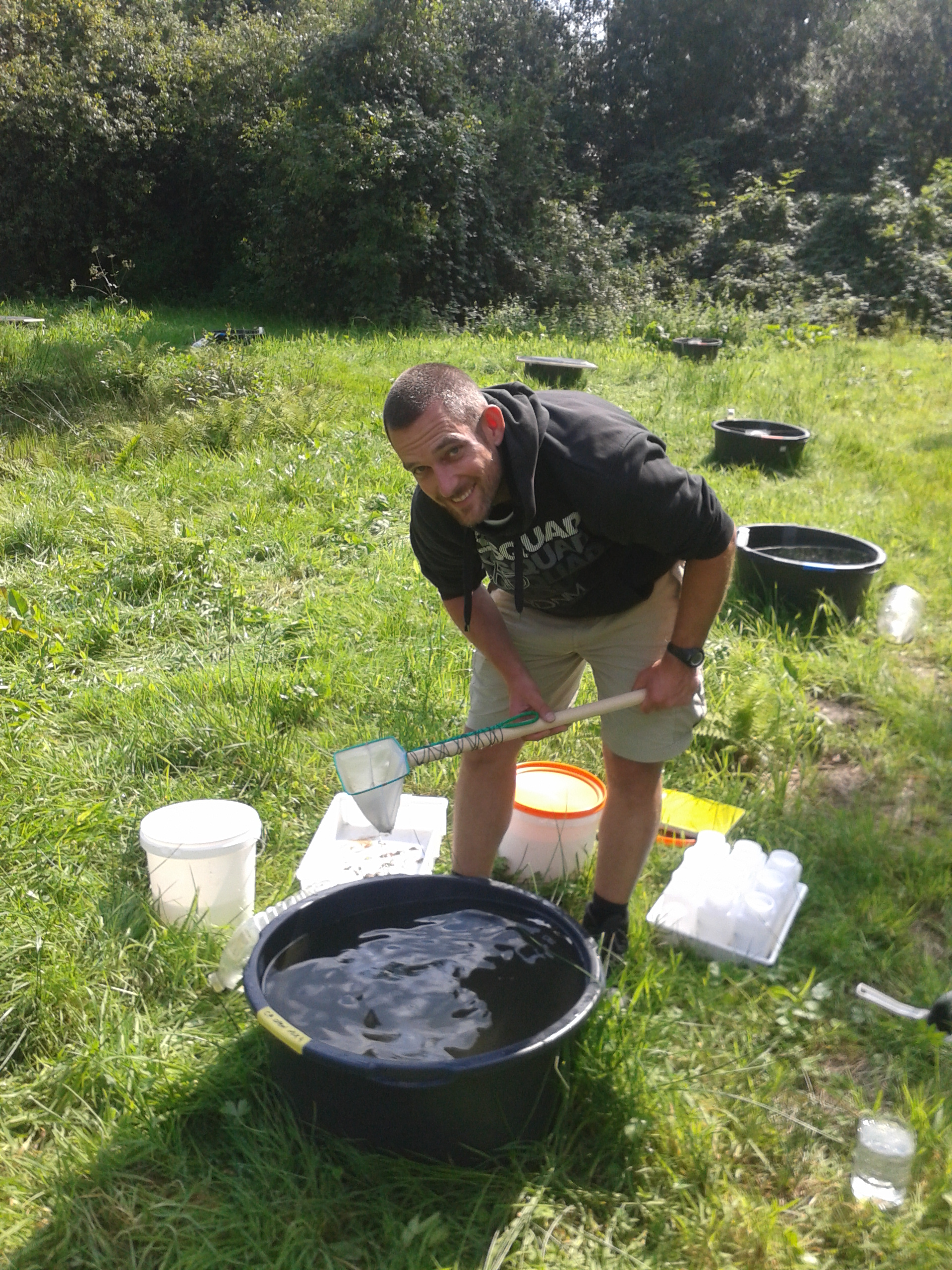
Dr. Hendrik Trekels (2014-2018)
Hendrik studied the role of habitat selection affecting species distribution patterns in metacommunities using aquatic insect communities as models. He combined field and mesocosm experiments with survey data. He was beneficiary of a three year postdoctoral fellowship with the Scientific Research Fund Flanders (FWO).
Trekels, H. and Vanschoenwinkel, B. (2019), Both local presence and regional distribution of predator cues modulate prey colonisation in pond landscapes. Ecology Letters 22: 89-97 (SCI: 9.137)
Dr. Jayme Santangelo (2016-2017)
Jayme is a professor at the Federal Rural University of Rio de Janeiro in Brazil and joined us for a one year post doc. He collaborated with Hendrik Trekels on habitat selection in pond communities.
Santangelo, J.M., Vanschoenwinkel, B. & Trekels, H. (2021) Habitat isolation and the cues of three remote predators differentially modulate prey colonization dynamics in pond landscapes. Oecologia 196: 1027–1038 (SCI: 3.225)

Dr. Mathil Vandromme (2015 – 2020)
After completing her BSc at VUB, Mathil Vandromme enrolled in the Erasmus Mundus MSc programme in tropical ecology (TROPIMUNDO). During her MSc degree she worked on an elevational gradient in the Monteverde Cloud Forest in Costa Rica in our research group. Later Mathil joined the research group after having succefully obtained a VLADOC PhD grant awarded by the Flemish Interuniversity Council for Developmental Aid. Mathil worked on the potential ecosystem services provided by bromeliad plants that grow in cocoa plantations in Nicaragua and stayed for another year as a post-doc to valorize her work on cacao pollination.
Vandromme, M., Van de Sande, E., Pinceel, T., Vanhove, W. & B. Vanschoenwinkel (2023) Resolving the identity and breeding habitats of cryptic dipteran cacao flower visitors in a neotropical cacao agroforestry system, Basic and Applied Ecology, 68, 35-45,
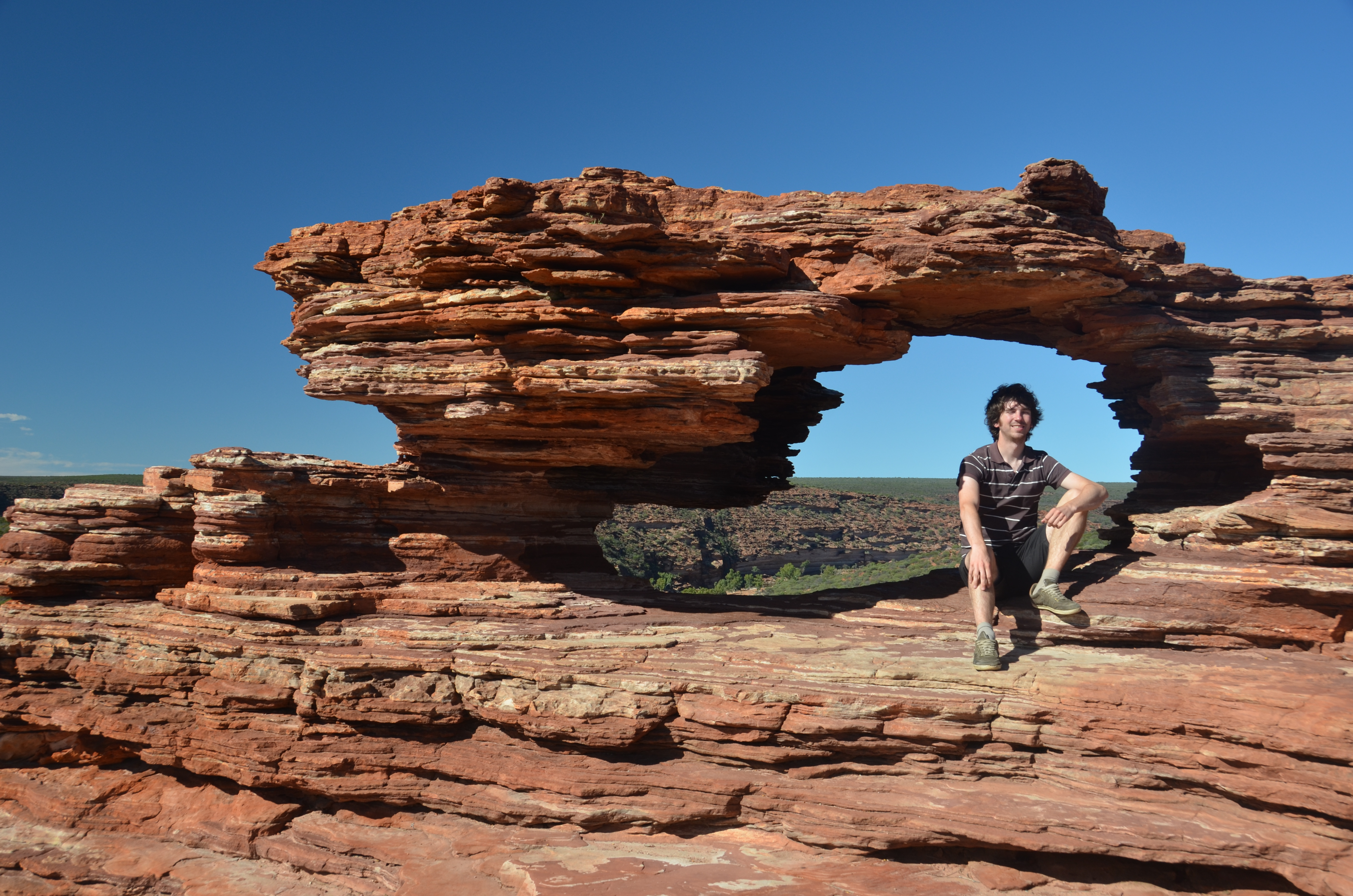
Dr. Tom Pinceel (2015 – 2022) – (PhD 2010 – 2014)
Tom worked on the diapause ecology of temporary pond crustaceans. He was interested in the different mechanisms these organisms use to achieve staggered hatching over different inundations enabling them to reduce the risk of reproductive failure and population extinction. Tom worked with fairy shrimp, clam shrimp and cladocerans and also contributed to parallel research lines on killifish. In addition, Tom has been involved in a number of phylogenetic and phylogeographic studies we have done over the years on different branchiopod crustaceans. After finishing his PhD in 2015, he was a post doctoral fellowship with the FWO Flanders.
Pinceel, T., Buschke, F., Geerts, A., Vanoverbeke, J., Brendonck, L., & Vanschoenwinkel, B. (2021). An empirical confirmation of diversified bet hedging as a survival strategy in unpredictably varying environments. Ecology. (SCI: 5.499), Q1

Dr. Karen Tuytens (2012 – 2017)
Karen developed hydrological models to reconstruct and predict inundation patterns in temporary pond systems.Her main study system consisted of temporary clay pans in the subtropics in the Malilangwe Conservancy in Zimbabwe. For this we collaborated with Tamuka Nhiwatiwa (University of Zimbabwe) and Bruce Clegg (Malilangwe).
Tuytens K., Vanschoenwinkel B., Waterkeyn A., Brendonck L. (2014) Predictions of climate change infer increased environmental harshness and altered connectivity in a cluster of temporary pools Freshwater Biology 59: 955-968 (SCI: 2.905 )

Dr. Arnout Grégoir (2013 – 2018)
Arnout had a past in fish-parasite phylogeny but abandoned the parasites in favor for the fish. He studied the relative role of phenotypic plasticity, epigenetic modification and local adaptation in life history differentiation in African killifishes from the genus Nothobranchius.
Grégoir A.F., Philippe C., Pinceel T., Reniers J., Thoré E.S.J., Vanschoenwinkel B., et al. (2017) Life stage dependent responses to desiccation risk in the annual killifish Nothobranchius wattersi. Journal of Fish Biology 91, 880–895. (SCI: 1.519)

Dr. Falko Buschke (2011 – 2014)
During his PhD Falko was interested in the spatial and environmental drivers of diversity patterns and species distributions and the relative role of stochastic and deterministic processes. For this he made use of biodiversity databases of African vertebrates and a combination of statistical tools including variation partitioning and null models. Falko has a sharp pen and shares interesting articles on general science, conservation and macro ecology on his blog: The Solitary Ecologist.
Buschke, F. T., Brendonck, L. & Vanschoenwinkel, B. (2015) Simple mechanistic models can partially explain local but not range-wide co-occurrence of African mammals. Global Ecology and Biogeography 24: 767-773 (SCI: 7.242)
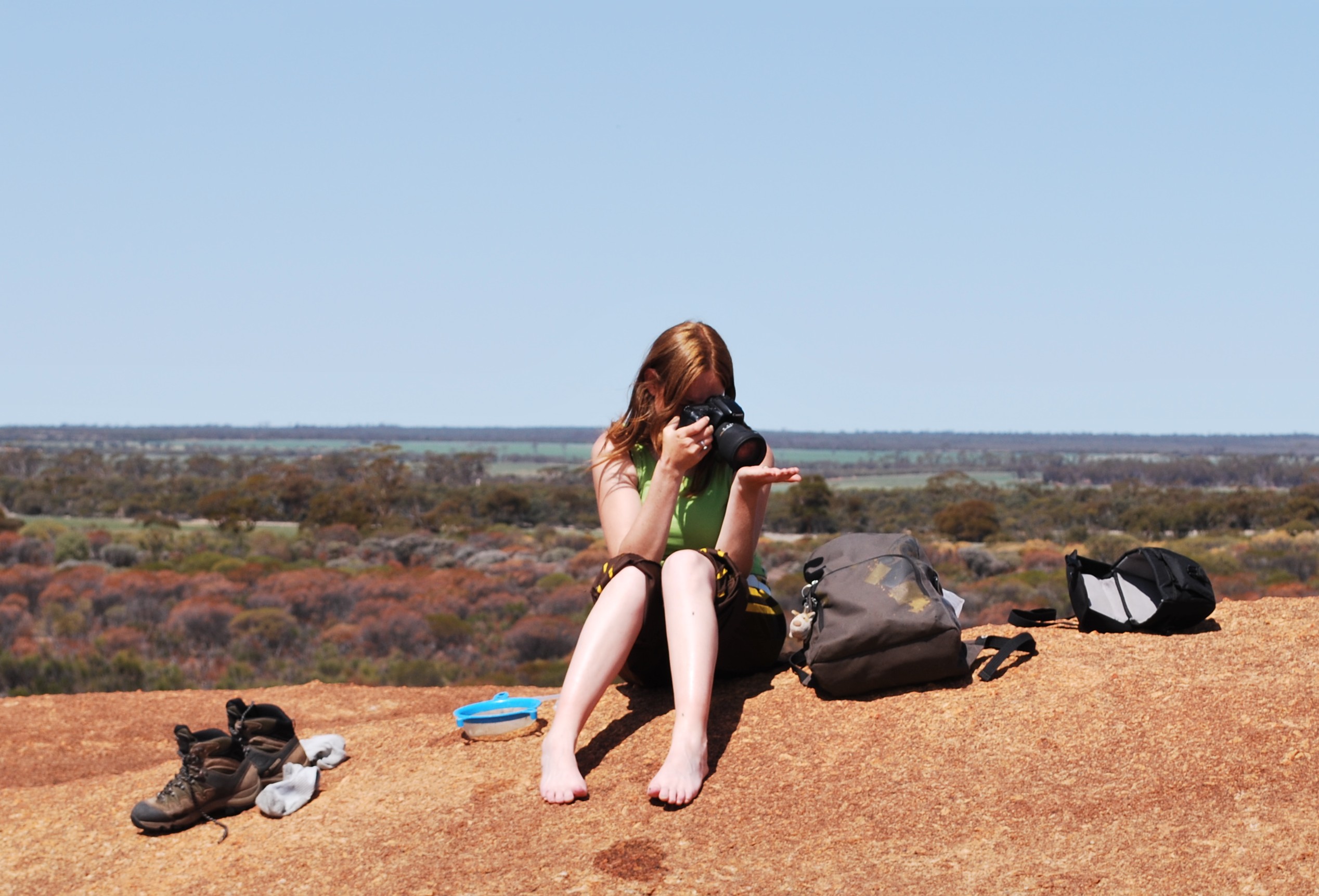
Dr. Jane Reniers (2010 – 2014)
Jane worked on life history adaptations of frogs with special emphasis on developmental plasticity, variable offspring investment and habitat selection as risk spreading strategies. For this she used two model systems: an Australian rock pool breeding frog (the bleating froglet Crinia pseudinsignifera) – in collaboration with Dale Roberts (University of Western Australia) – and the brown frog (Rana temporaria) – in collaboration with Ivan Gomez Mestre (Estacion Biologica de Donana)
Reniers, J., Brendonck, L., Roberts, J. D., Verlinden, W. & Vanschoenwinkel, B. (2015). Environmental harshness shapes life-history variation in an Australian temporary pool breeding frog: a skeletochronological approach. Oecologia 178: 931-941 (SCI: 3.248)

Dr. Ángela Aristizábal Botero (2018-2023)
Ángela was a Colombian PhD student involved in a joint PhD between Universitad de los Andes and VUB. She worked on the unique biodiversity of the granite inselbergs of the Guiana shield in SE Colombia. She worked on spatial ecology and habitat selection in actively dispersing insects and dragonflies in particular. and used unmanned aerial vehicles for mapping inselbergs.
Aristizábal-Botero, Á., Páez-Pérez, D., Realpe, E., & Vanschoenwinkel, B. (2020). Mapping microhabitat structure and connectivity on a tropical inselberg using UAV remote sensing. Progress in Physical Geography: Earth and Environment, 030913332096432
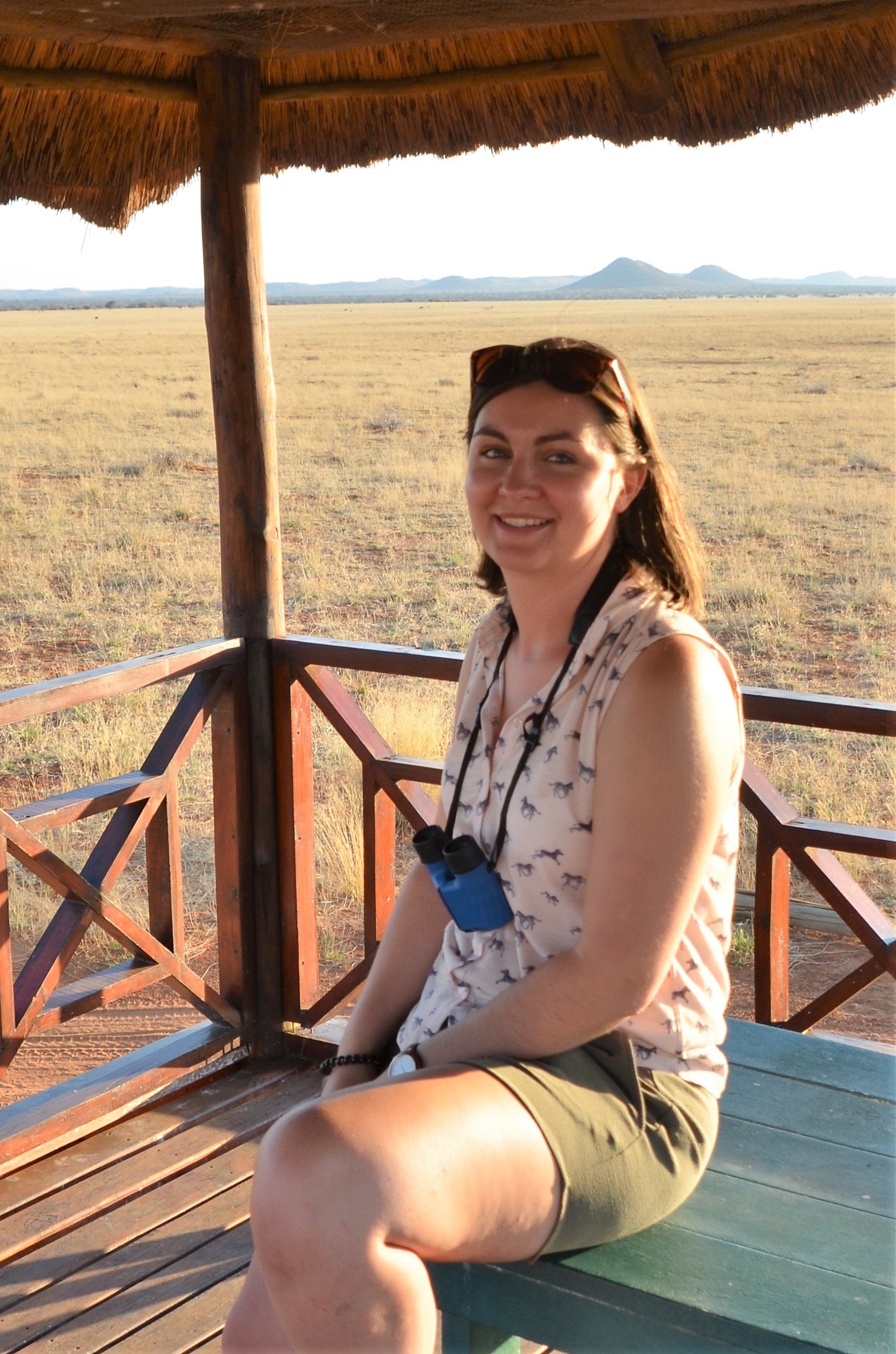
Dr. Lana Ramaekers (2018 – 2023)
Lana received a 4 year FWO PhD fellowship and joined the lab to study the effects of climate change on shallow pond systems. She focused mainly on direct effects of CO2 on food web structure. Lana got a BSc in Biology in Hasselt and later completed a MSc at KULeuven.
Ramaekers, L., Pinceel, T., Brendonck, L. & B. Vanschoenwinkel (2022). Direct effects of elevated dissolved CO2 can alter the life history of freshwater zooplankton. Scientific Reports 12: 6134 (SCI: 4.379)

Dr. Gordian Mataba (2019 – 2023)
Gordian is a Tanzanian national who obtained a MSc in Marine and Lacustrine Sciences at VUB, he later returned to do a PhD on mosquito dynamics in the Lake Manyara basin. Amongst other discoveries, Gordian found out that aquatic predators ensure that temporary ponds in the villages in this region are not important sources of mosquitoes. He also tested effects of biocides and predators on communities using mesocosm experiments.
Mataba, G. R., Kafula, Y. A., Mwaijengo, G. N., Snoeks, J. M., Munishi, L., Brendonck, L., & Vanschoenwinkel, B. (2021). Keep your natural enemies close – native predators can maintain low mosquito densities in temporary ponds in a malaria expansion area in Northern Tanzania. Science of the Total Environment, 794.(SCI: 7.963)
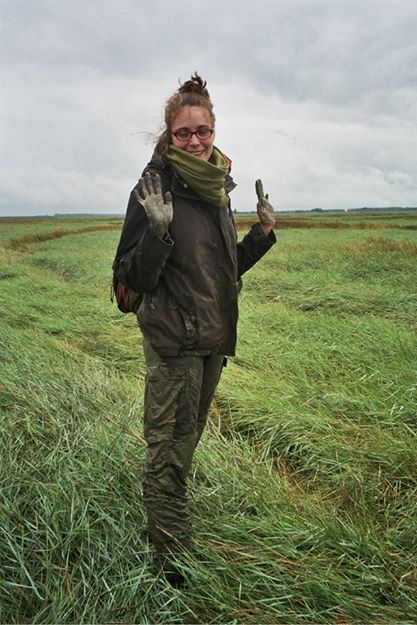
Dr. Lise Beirinckx (2013- 2022)
Lise studied the distribution patterns of Ruppia seagrass lineages in the complex wetland mosaic of the Camargue in Southern France . She discovered a complex genetic population structure which included pure species and several hybrids with different origins and ecologies. She studied how seed germination cues varied between these different lineages and found out that this was linked to local habitat conditions. She believed that differences in their responses to germination cues could help explain their distributions.
Beirinckx, L., Triest, L., & Vanschoenwinkel, B. (2023). Can germination strategies help to understand regional co-occurrence of two morphologically conserved congeneric macrophytes? Freshwater Biology, 68(5). https://doi.org/10.1111/fwb.14072 (SCI: 3.538)

Joren Snoeks (2017 – 2024)
Joren Snoeks finished his MSc thesis at KULeuven and joined the lab to study the ecological and evolutionary dynamics of inselberg ecosystems. Joren used inselberg rock pools as models to study, for instance, the relative importance of the regional species pool and local species richness in explaining the biodiversity-ecosystem functioning relationship.

.
Evelien Deboelpaep (2015 – 2024)
Evelien was awarded a FWO PhD fellowship to study the importance of connectivity in wetland networks during bird migration. After her PhD she stayed on developing more advanced bio-energetic connectivity models and foraging models for water birds. She currently works as a wetland expert for the NGO Natuurpunt.
Deboelpaep, E., Partoens, L., Koedam, N., & B. Vanschoenwinkel (2022) Highway (s) overhead: Strong differences in wetland connectivity and protected status challenge waterbird migration along the four Palearctic‐Afrotropical flyways. Diversity and Distributions 28: 1067-1080 (SCI: 4.76), Q1.


 Community Ecology Lab