Skip to content

Posts from the ‘Uncategorized’ Category

The dynamics of inselbergs – New paper in Biological Reviews

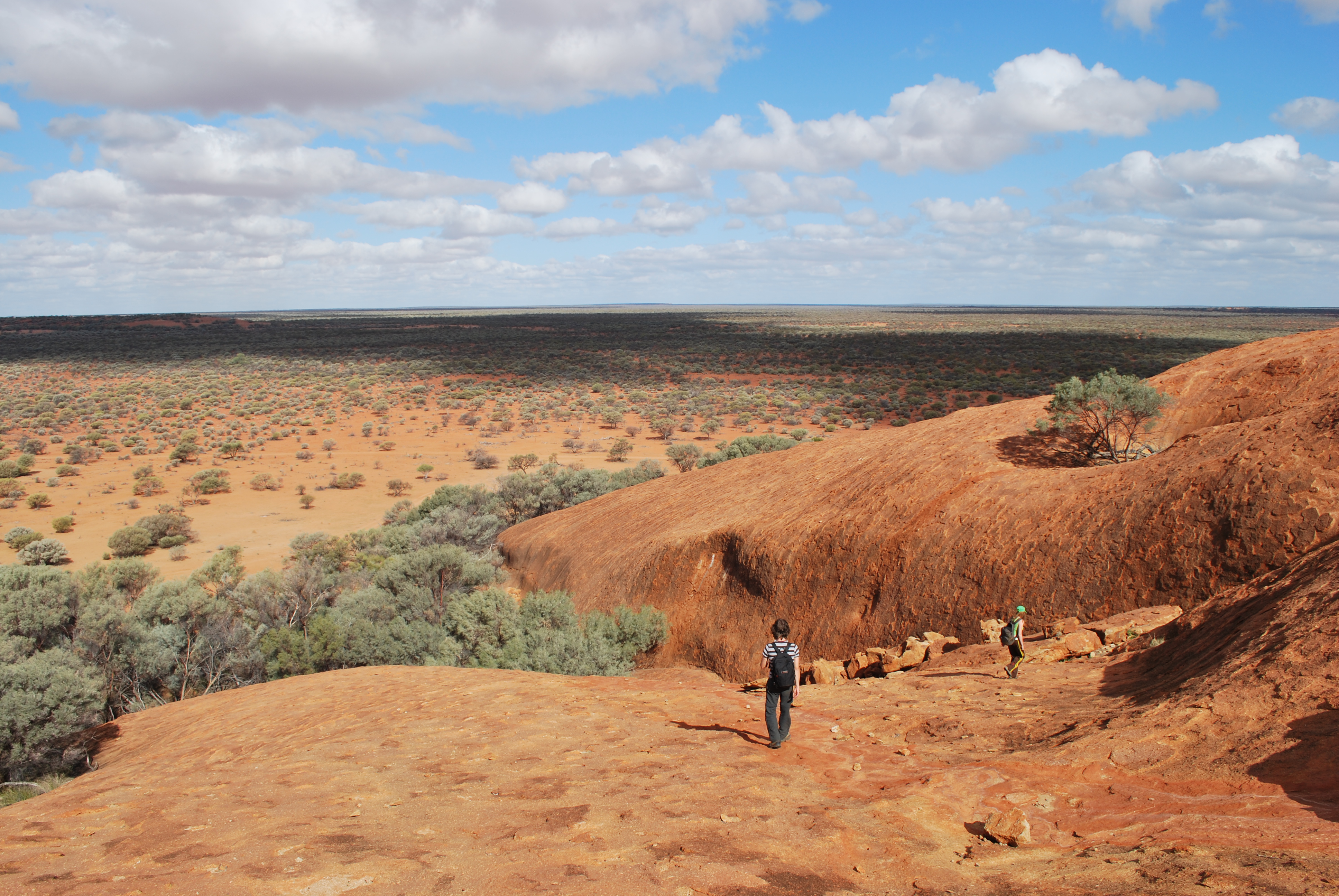
Since the start of my PhD in 2006, I’ve spent several years of my life walking on inselbergs (i.e. ancient isolated mountains with modest topography) mainly in Africa and Australia, studying the organisms that live there. It was an inspiring and productive endeavor, leading to a lot of published case studies. Yet, some broader insights take time to develop. I believe it’s only when you spend enough time working on a system and after endless discussions with local experts that deeper understanding emerges. In 2017, a meeting was arranged at the University of Rostock, home of Stefan Porembski, arguably the most influential inselberg researcher alive today. As a PhD student I eagerly read and re-read his landmark green book on Inselbergs.
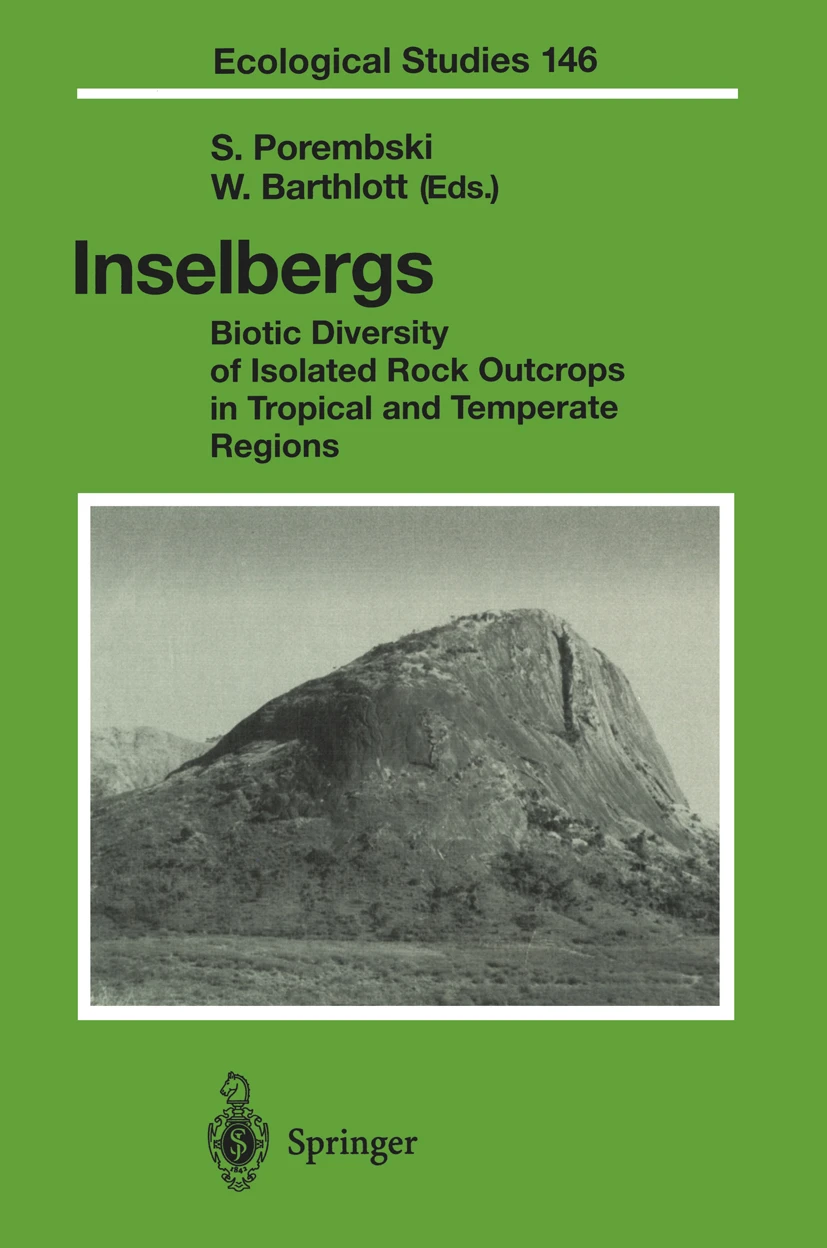
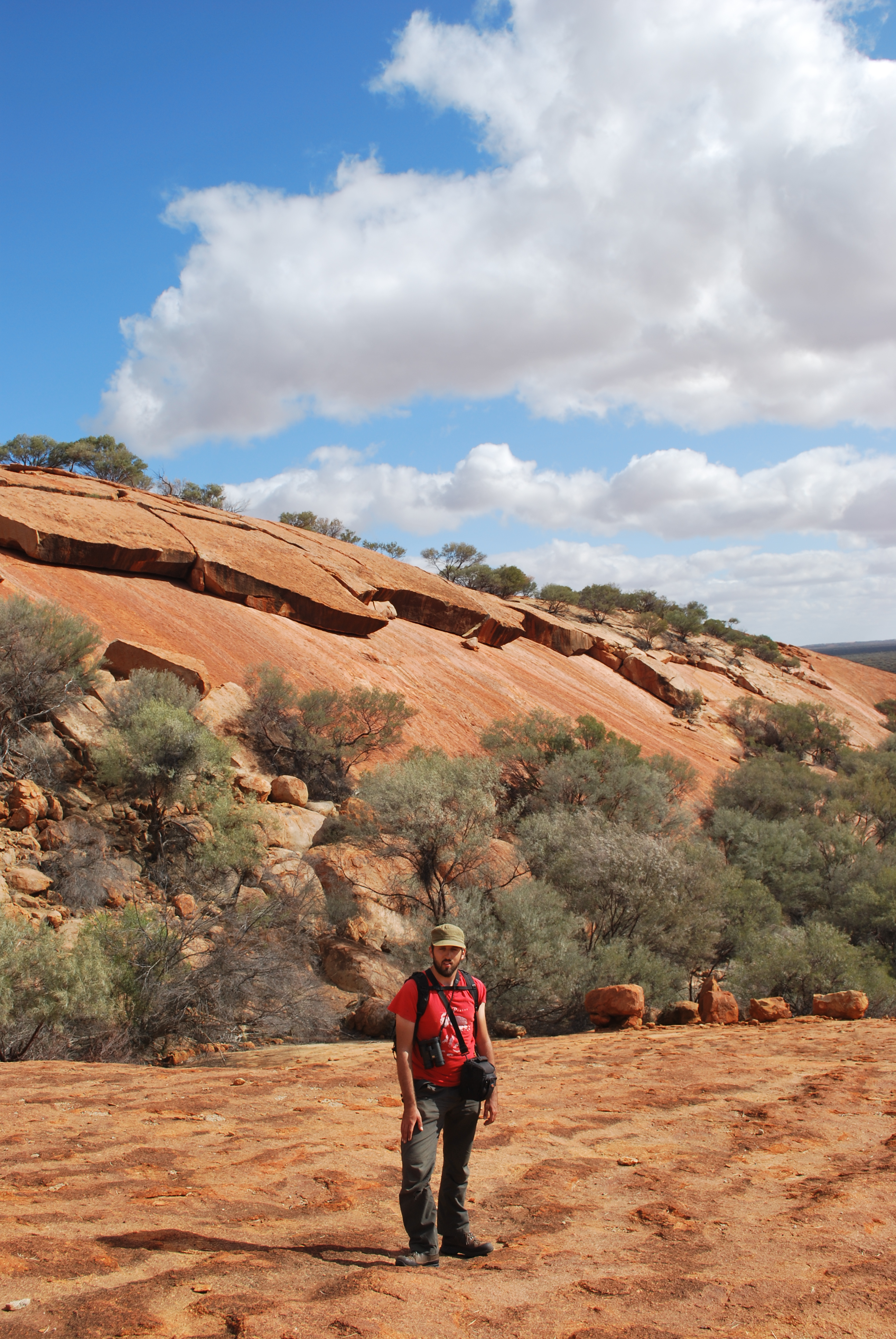
Wouldn’t it be great if we could bundle the insights that emerged in the quarter century after this book? Together with Fernando Silveira and Luiza De Paula, two (at the time) young up and coming inselberg researchers from Brazil we started drawing up some first diagrams and distilled general patterns and processes from the different plant and animal groups we studied and from the different regions we studied: from the Atlantic forest to the Kalahari and back. The paper would not have been possible without the geomorphological and biogeographical insights of Tom Van der Stocken and Falko Buschke who helped to streamline the ideas through various phases and input from a running PhD project by Joren Snoeks. We are proud that this journey now resulted in a synthesis paper published in Biological Reviews. The ecological and evolutionary dynamics of inselbergs. Some pictures of inselbergs featured in the paper are provided below.

https://onlinelibrary.wiley.com/doi/full/10.1111/brv.13150

In the paper, we provide a new liberal definition of inselbergs from a biological perspective, stressing the old age (easily tens of millions of years, often more), unique microhabitats, and isolation as the main defining characteristics. Typical inselbergs are much lower than proper mountains (< 800m) and therefore typically lack strong altitudinal zonation. They also provide a template of habitats that is not limited to the exposed rock. The surrounding vegetation fringe is an integral part of the broader inselberg ecosystem. We also stress the importance of the landscape matrix in which inselbergs are embedded, which can be a source of inselberg species. Inselbergs can house a lot of endemics adapted to the often harsh inselberg conditions. But they can also be ecological refuges and evolutionary refugia for species from the landscape matrix, particularly over long time scales of cyclical environmental change. Finally, we argue that although they resemble islands, only a small subset of the organisms that can be found on inselbergs will experience them as islands. Inselberg specialists with poor dispersal abilities will experience them as islands, while for more mobile species, inselbergs and for generalists, inselbergs may simply provide habitat patches in the broader landscape that can be used. The landscape matrix, therefore, is not simply a barrier to dispersal (as is the case for oceanic islands) but provides a pool of species and habitats that interact with species and habitats on the inselbergs. At the end, we provide a list of major knowledge gaps that may inspire the next decade of inselberg research and can help us to understand the role of these amazing features in our landscapes.

Resolving the cryptic identity of cocoa pollinators – new paper in Basic and Applied Ecology

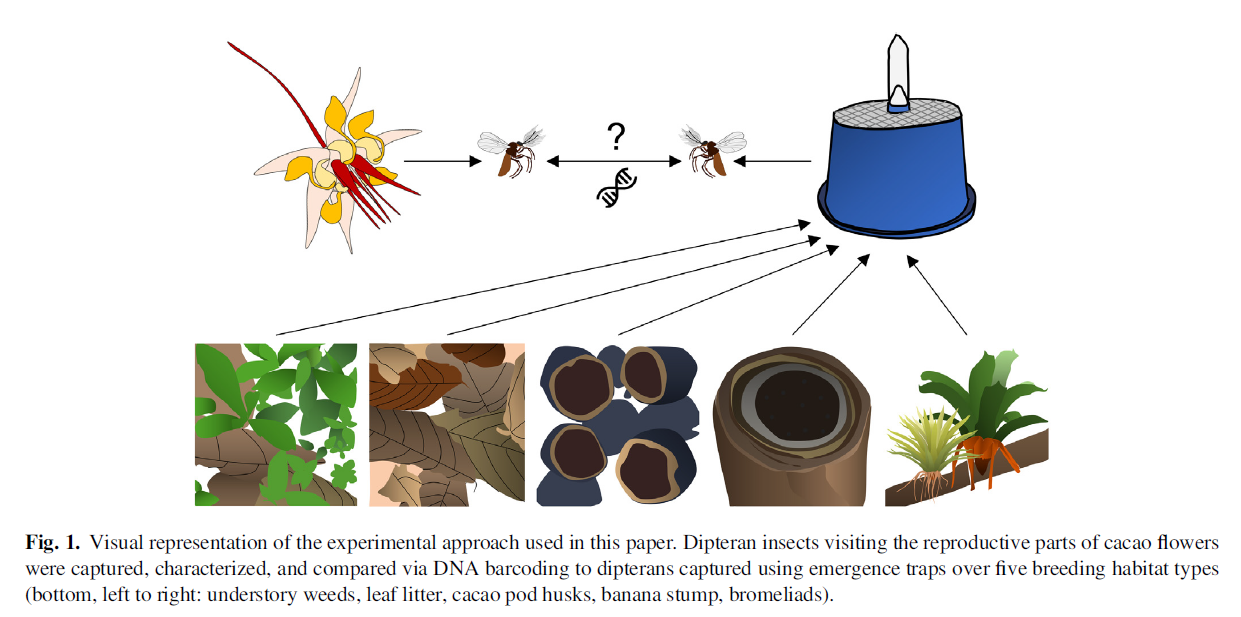
Since I started the lab at VUB, we have done a number of projects in the tropics looking at small aquatic habitats such as bromeliads and the ecological dynamics of the biota they contain. It did not escape my attention that these habitats were also used by the same types of midges known to be involved in the pollination of cacao. However, to my surprise at the time, the identity of cocoa pollinators was quite controversial. Work from the 80s and 70s identified midges from the genus Forcipomyia as the main pollinators. However, more recent studies reviewed by Toledo-Hernandez and coworkers (2017) reported a much larger diversity of cocoa flower visitors. To resolve this paradox, we believed it was necessary to introduce stricter criteria to define pollinators. It led to the conception of the Barcoding for Chocolate (BFC) project in our lab, pioneered by PhD student Mathil Vandromme. In her doctorate, she carefully caught flower visitors on cocoa flowers in Nicaragua and noted the behavior of the individuals. This way, we could distinguish taxa that just hung around or rested on the flowers from those that entered the petal hoods and came into contact with pollen. These individuals were sequenced for the COI barcoding gene so we could confirm what they were. But Mathil went another step further: she also sequenced small flies that emerged from different potential larval habitats (rotting cacao husks, banana pseudostems, leaf litter, bromeliads). This way, we can pinpoint where the pollinators breed! The first results of this project are now published in a paper in Basic and Applied Ecology.

https://www.sciencedirect.com/science/article/pii/S1439179123000099

In the meantime, a lot has happened. With Eliza Van de Sande, a new PhD project was started, and a number of dedicated students (Fanny Kratz, Sara Vroman) brought back new pollinator samples from Peru, French Guiana, Malaysia, and Côte d’Ivoire. All flower visitors are now also investigated for pollen adherence, too, so we are getting closer to a definitive list of pollinators. Soon we will get a better idea of the diversity of cocoa pollinators globally. For now, the pilot results from Nicaragua clearly point at biting midges and several potential breeding habitats for cocoa pollinators, but the links found in the paper have to be confirmed at much larger scales in more plantations and in different cocoa breeding areas in the world to generate conclusive evidence of which breeding habitats might be promoted through management to improve pollination.

Welcome Joren!

Joren Snoeks finished his MSc thesis at KULeuven and joins us to study the ecological and evolutionary role of ancient granite inselbergs in landscapes. Besides from his PhD, Joren will also teach a number of practicals in our BSc program.

The scalability of macroecology


Falko wrote a great summary for his recent idea paper in Frontiers of Biogeography!

https://escholarship.org/uc/item/0bp2c1d0

russian-dolls

The Solitary Ecologist

Russian Dolls

No matter at which scale you look at it, nature is remarkable.

Like many others, I was taught ecology in a very hierarchical way: individual organisms are part of a wider populations of species, collections of species form communities and communities come together to make up ecosystems. Similarly, single trees are nested within forests, which aggregate to form biomes. I’m sure you can come up with many comparable examples.

The trouble with such neat spatial hierarchies is that they lure us into believing that if patterns appear similar at several different spatial scales, then the processes leading to these patterns should also be similar. It’s so easy to assume that nature is like a set of Russian Dolls: each daughter exactly the same as its mother, only slightly smaller. But this is not necessarily the case.

View original post 644 more words

New project in Tanzania

DSC_0979

A joint inter university collaboration was set up between the Flemish universities and the Nelson Mandela institute of Science and Technology in Arusha, Tanzania. The project was officially launched in September 2013. Within the project, which will run for at least six years, I will be supervising a PhD student working on the ecology of wetlands in the Pangani floodplain. The aim is investigate the impact of variation in hydrology and anthropogenic disturbance on wetland functioning and biodiversity, quantify ecosystem services and formulate more effective management strategies.

DSC_1250