
The dynamics of inselbergs – New paper in Biological Reviews
Since the start of my PhD in 2006, I’ve spent several years of my life walking on inselbergs (i.e. ancient isolated mountains with modest topography) mainly in Africa and Australia, studying the organisms that live there. It was an inspiring and productive endeavor, leading to a lot of published case studies. Yet, some broader insights take time to develop. I believe it’s only when you spend enough time working on a system and after endless discussions with local experts that deeper understanding emerges. In 2017, a meeting was arranged at the University of Rostock, home of Stefan Porembski, arguably the most influential inselberg researcher alive today. As a PhD student I eagerly read and re-read his landmark green book on Inselbergs.
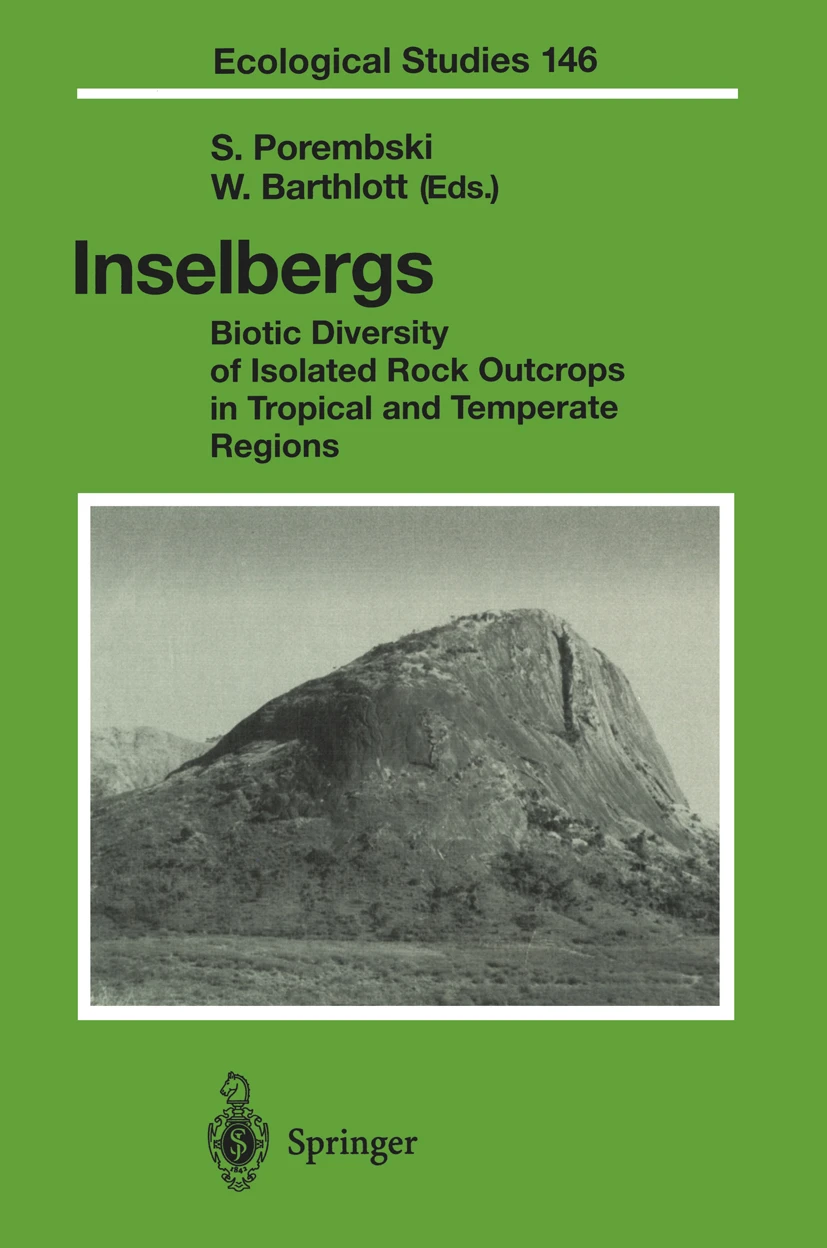
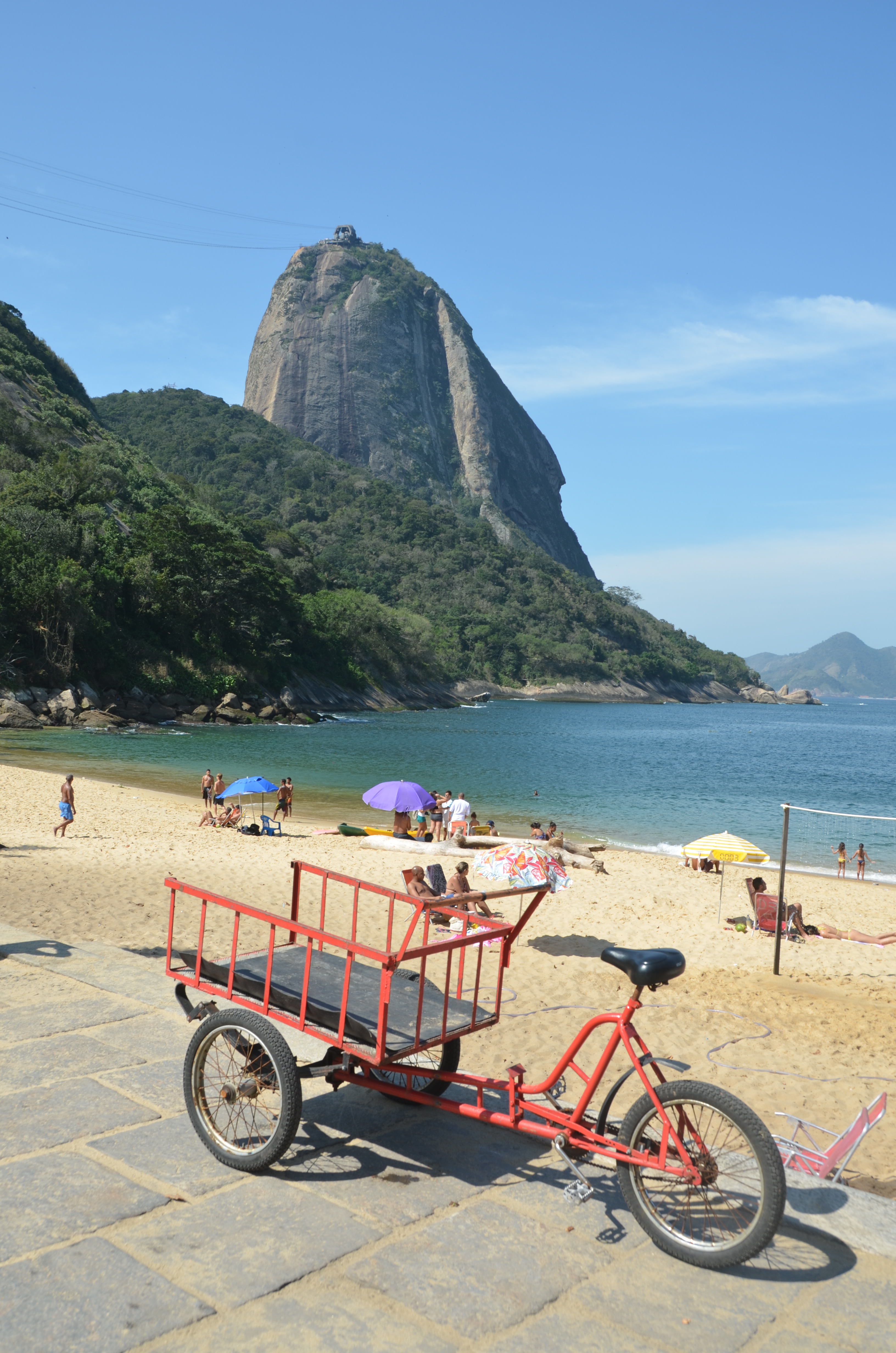
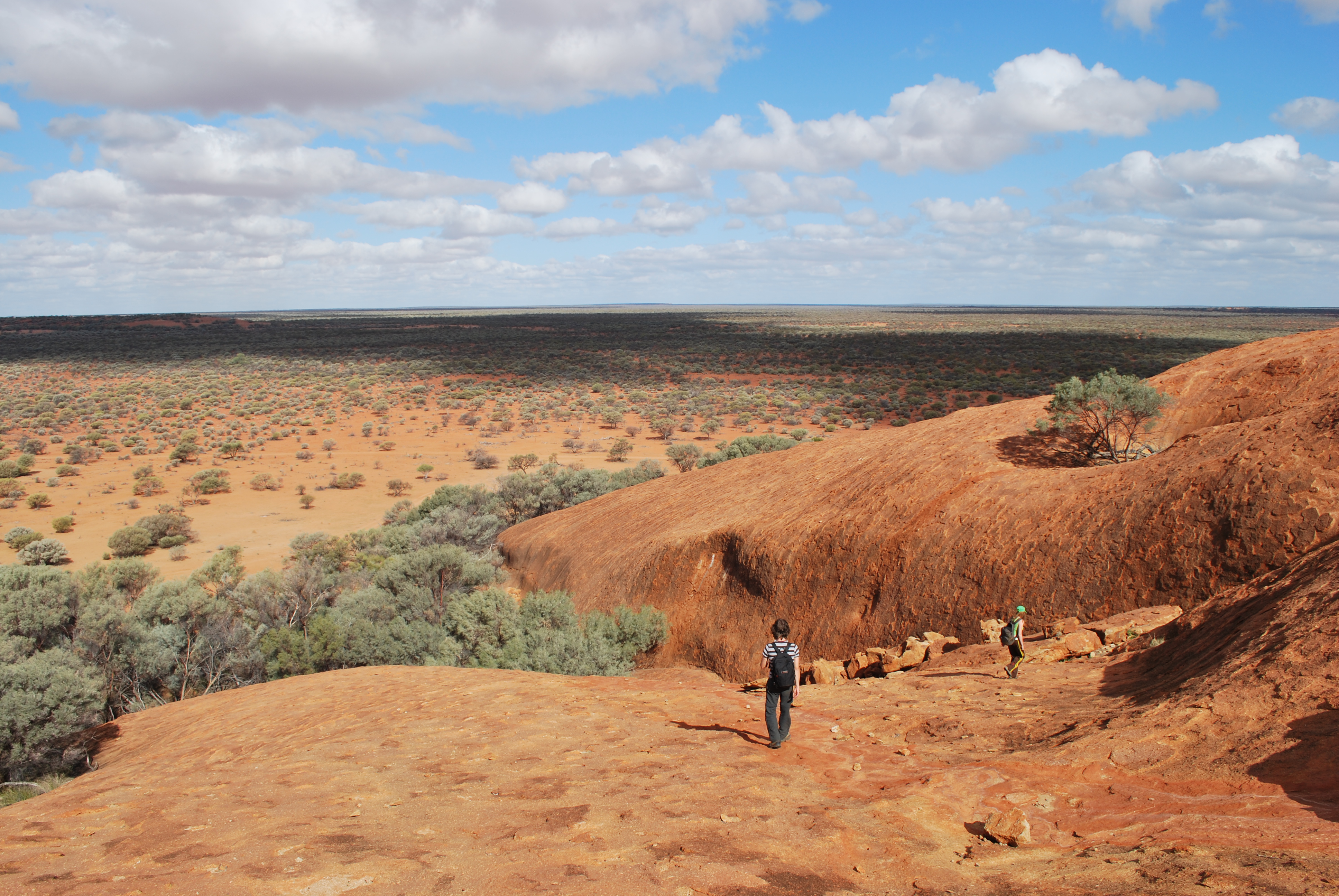
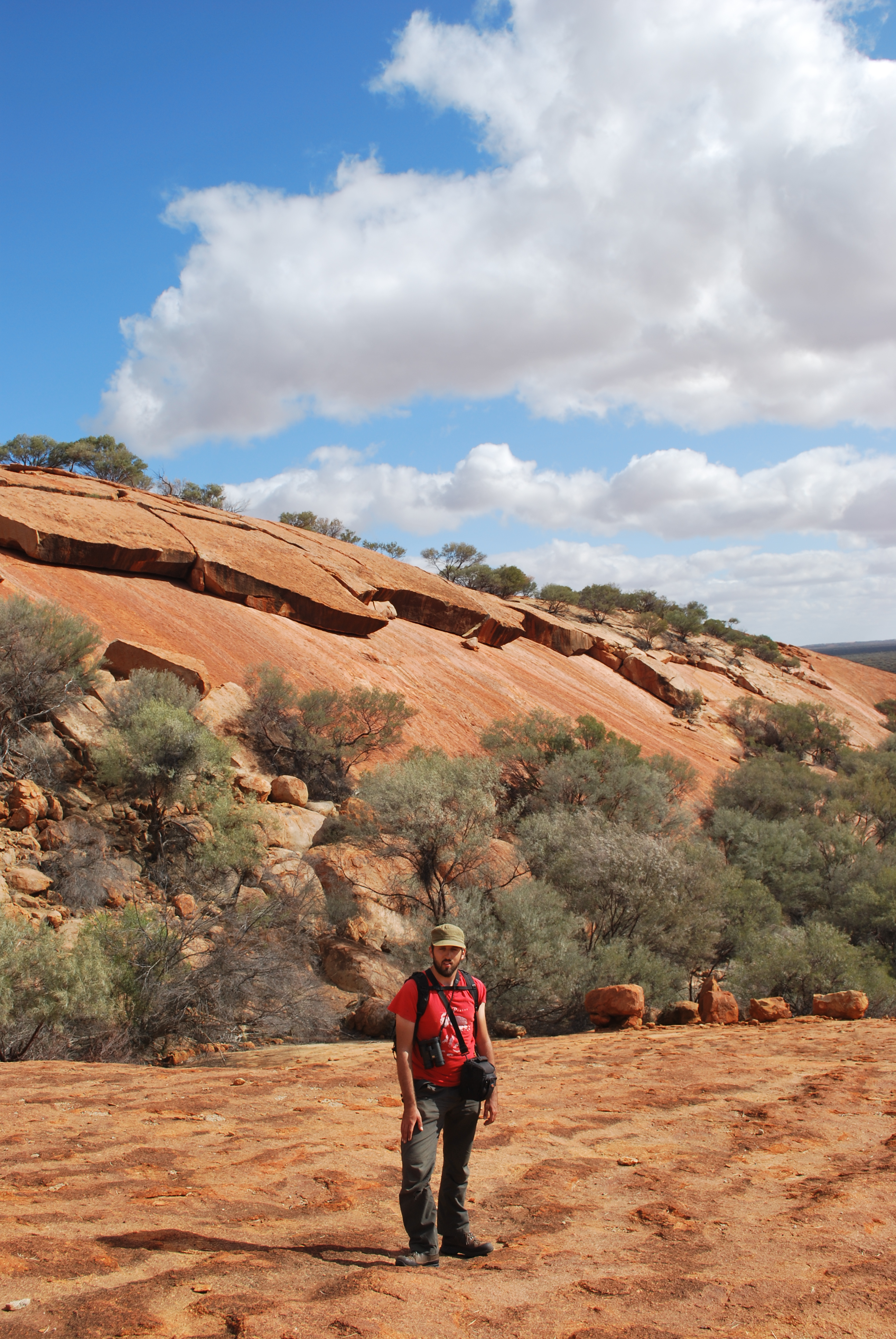
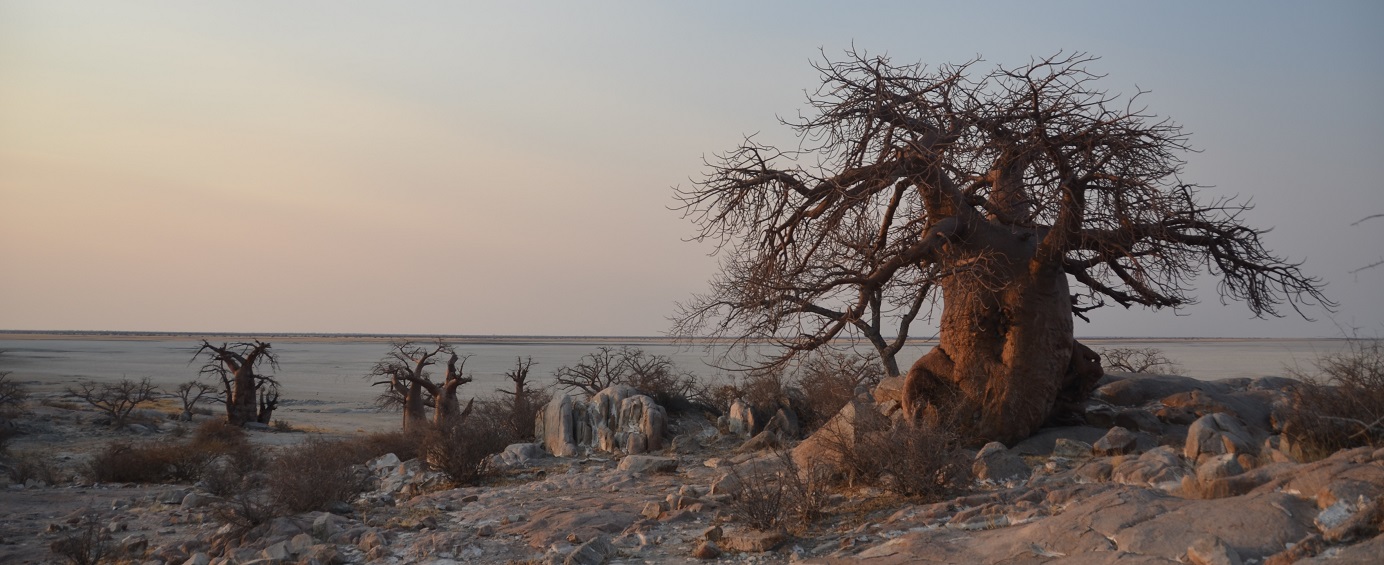
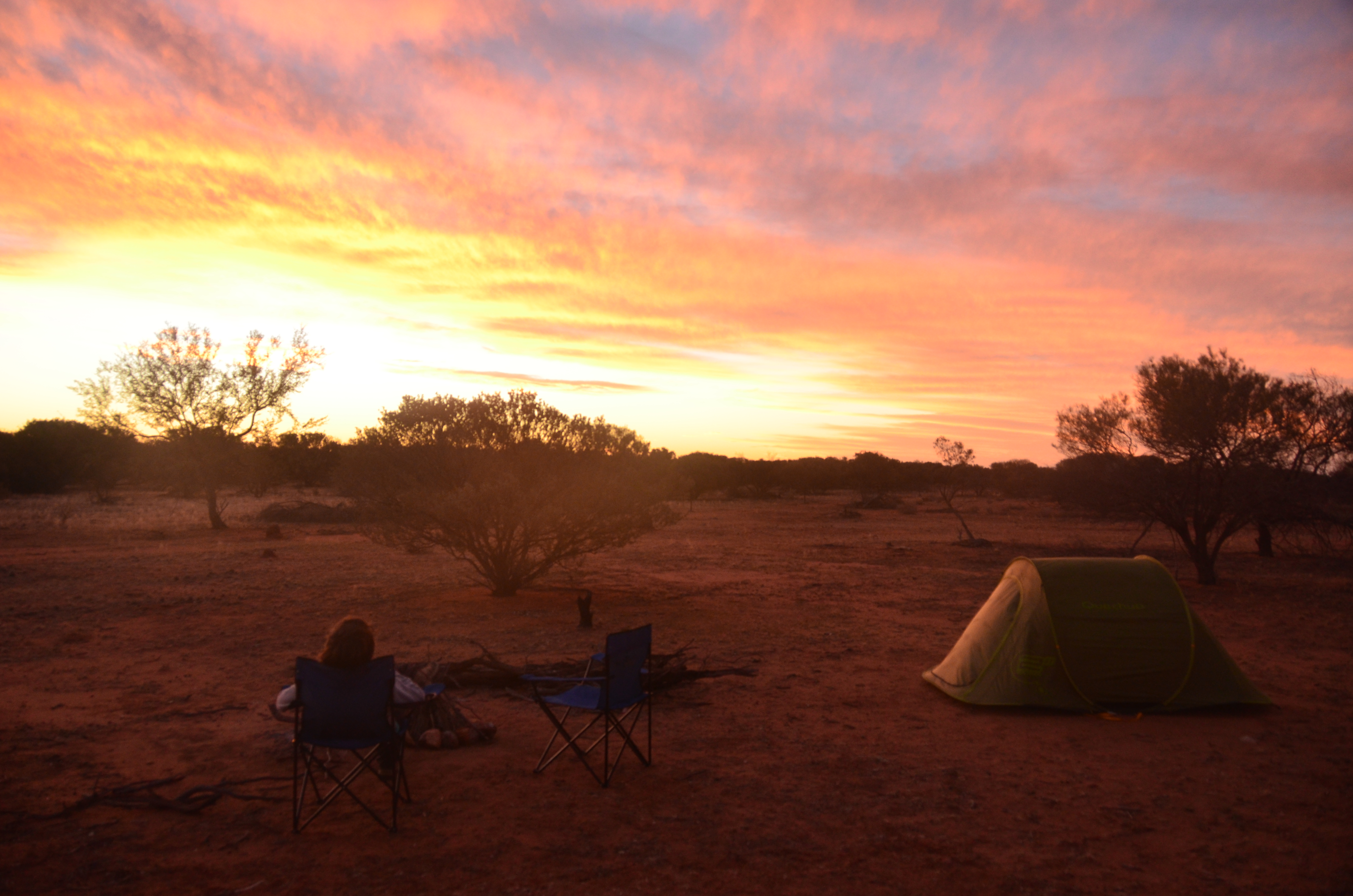
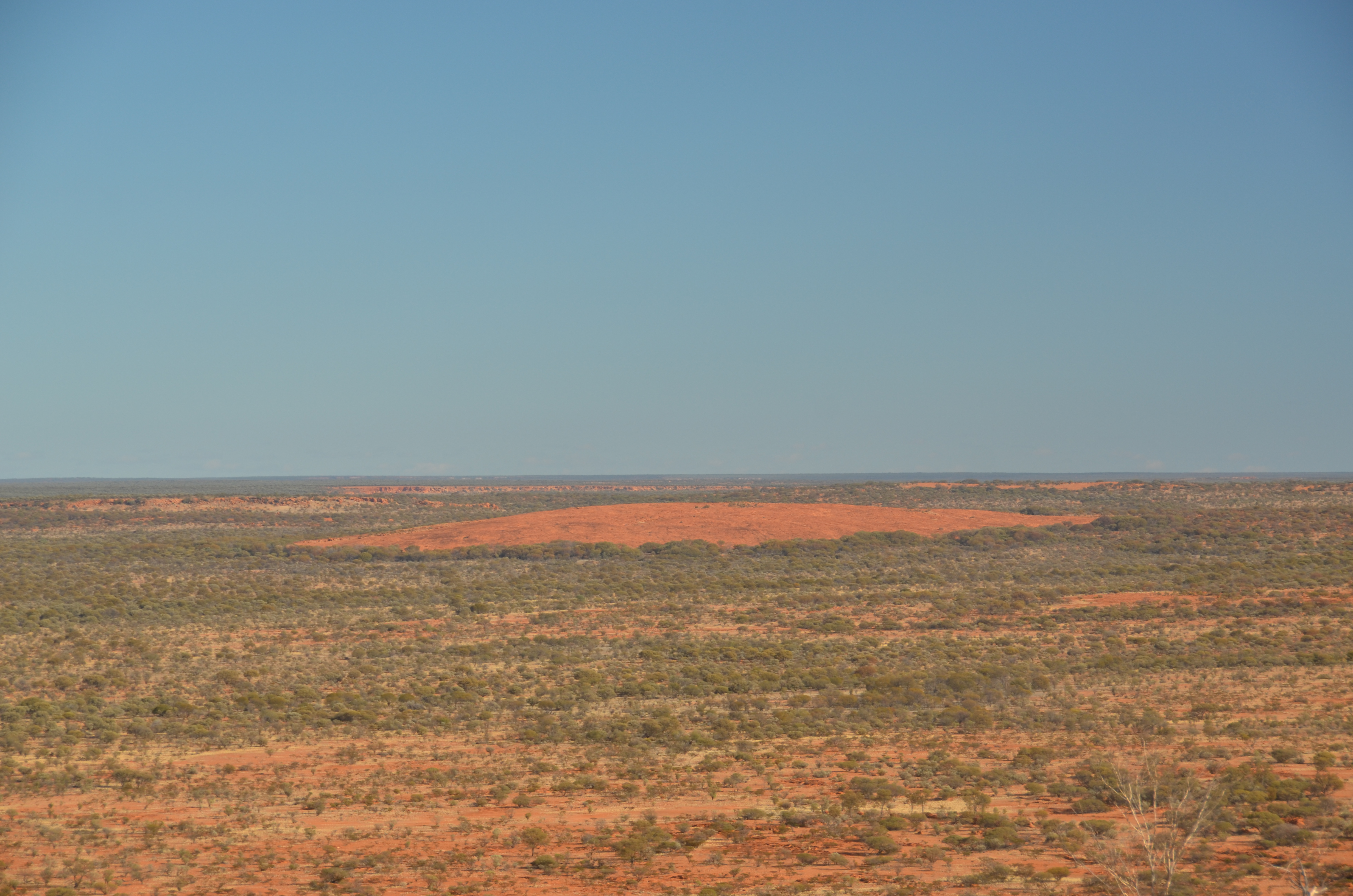
Wouldn’t it be great if we could bundle the insights that emerged in the quarter century after this book? Together with Fernando Silveira and Luiza De Paula, two (at the time) young up and coming inselberg researchers from Brazil we started drawing up some first diagrams and distilled general patterns and processes from the different plant and animal groups we studied and from the different regions we studied: from the Atlantic forest to the Kalahari and back. The paper would not have been possible without the geomorphological and biogeographical insights of Tom Van der Stocken and Falko Buschke who helped to streamline the ideas through various phases and input from a running PhD project by Joren Snoeks. We are proud that this journey now resulted in a synthesis paper published in Biological Reviews. The ecological and evolutionary dynamics of inselbergs. Some pictures of inselbergs featured in the paper are provided below.

https://onlinelibrary.wiley.com/doi/full/10.1111/brv.13150
In the paper, we provide a new liberal definition of inselbergs from a biological perspective, stressing the old age (easily tens of millions of years, often more), unique microhabitats, and isolation as the main defining characteristics. Typical inselbergs are much lower than proper mountains (< 800m) and therefore typically lack strong altitudinal zonation. They also provide a template of habitats that is not limited to the exposed rock. The surrounding vegetation fringe is an integral part of the broader inselberg ecosystem. We also stress the importance of the landscape matrix in which inselbergs are embedded, which can be a source of inselberg species. Inselbergs can house a lot of endemics adapted to the often harsh inselberg conditions. But they can also be ecological refuges and evolutionary refugia for species from the landscape matrix, particularly over long time scales of cyclical environmental change. Finally, we argue that although they resemble islands, only a small subset of the organisms that can be found on inselbergs will experience them as islands. Inselberg specialists with poor dispersal abilities will experience them as islands, while for more mobile species, inselbergs and for generalists, inselbergs may simply provide habitat patches in the broader landscape that can be used. The landscape matrix, therefore, is not simply a barrier to dispersal (as is the case for oceanic islands) but provides a pool of species and habitats that interact with species and habitats on the inselbergs. At the end, we provide a list of major knowledge gaps that may inspire the next decade of inselberg research and can help us to understand the role of these amazing features in our landscapes.










 Community Ecology Lab