Skip to content

Posts from the ‘Evolution’ Category

The dynamics of inselbergs – New paper in Biological Reviews

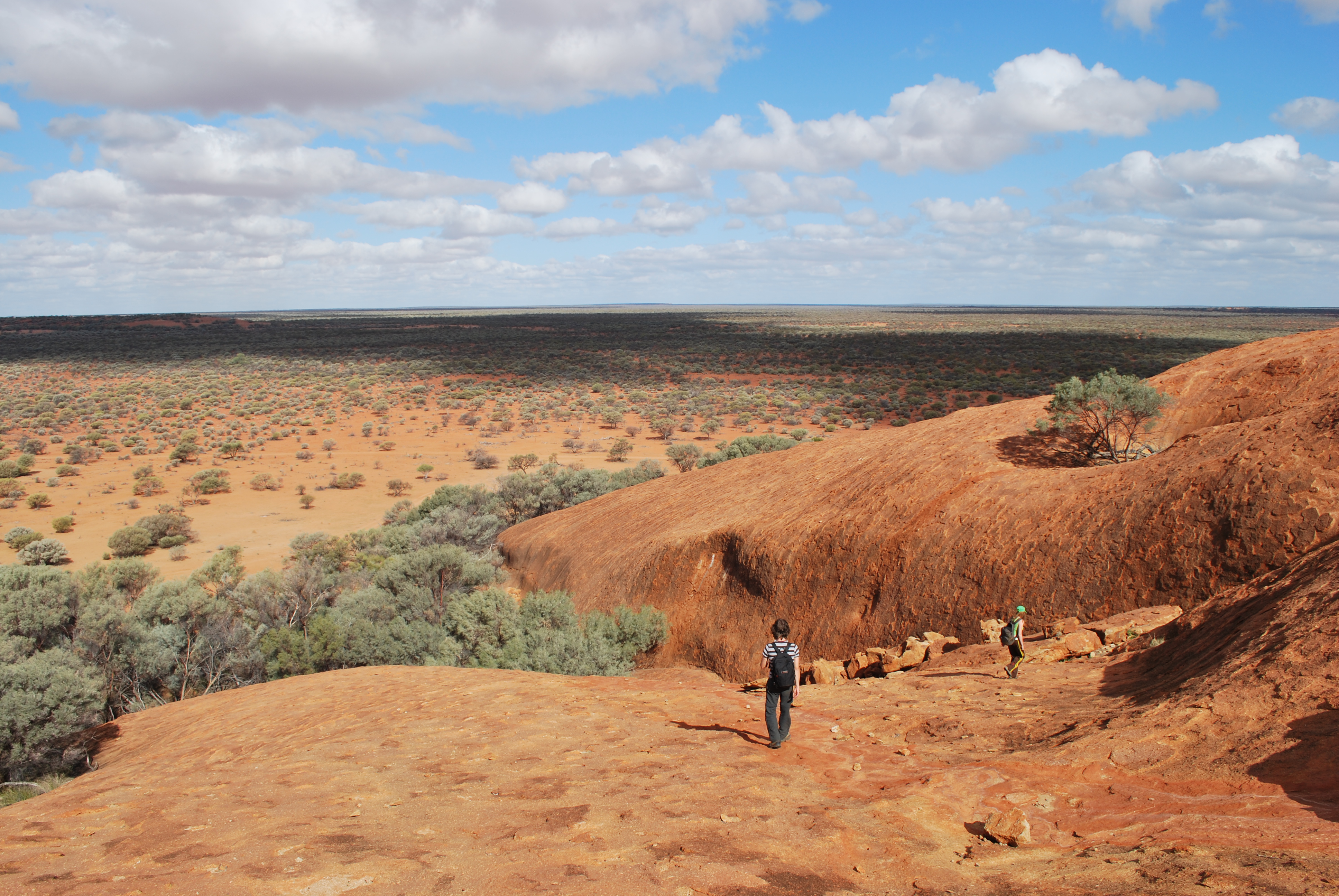
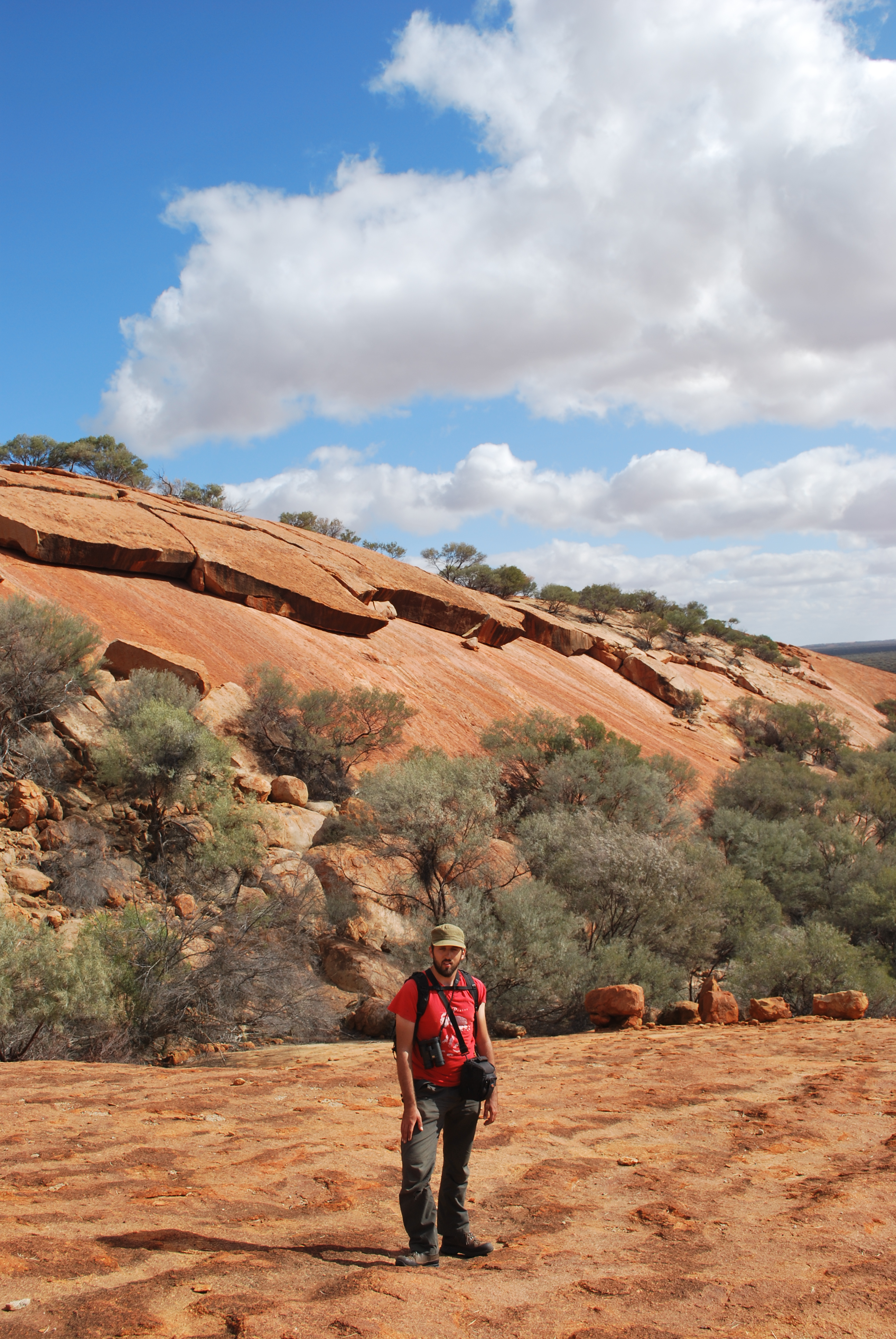
Since the start of my PhD in 2006, I’ve spent several years of my life walking on inselbergs (i.e. ancient isolated mountains with modest topography) mainly in Africa and Australia, studying the organisms that live there. It was an inspiring and productive endeavor, leading to a lot of published case studies. Yet, some broader insights take time to develop. I believe it’s only when you spend enough time working on a system and after endless discussions with local experts that deeper understanding emerges. In 2017, a meeting was arranged at the University of Rostock, home of Stefan Porembski, arguably the most influential inselberg researcher alive today. As a PhD student I eagerly read and re-read his landmark green book on Inselbergs.
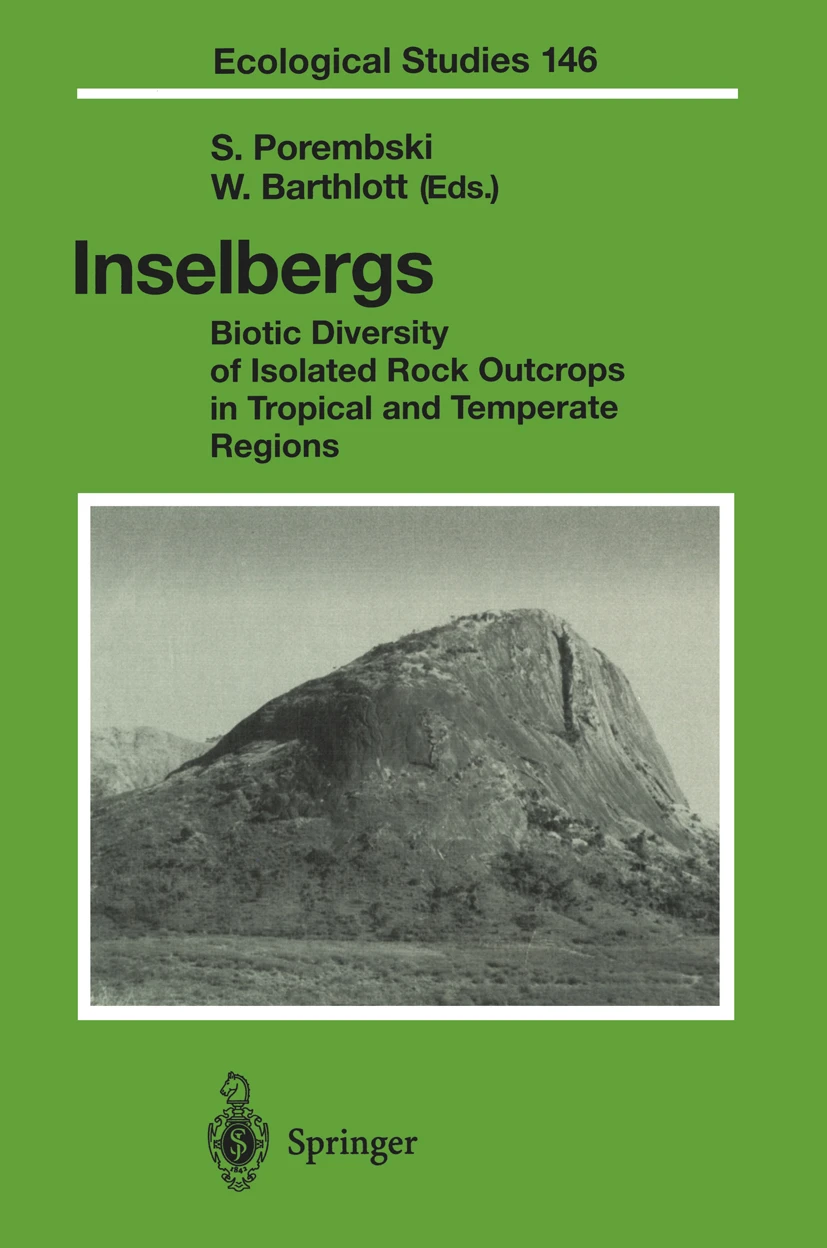
Wouldn’t it be great if we could bundle the insights that emerged in the quarter century after this book? Together with Fernando Silveira and Luiza De Paula, two (at the time) young up and coming inselberg researchers from Brazil we started drawing up some first diagrams and distilled general patterns and processes from the different plant and animal groups we studied and from the different regions we studied: from the Atlantic forest to the Kalahari and back. The paper would not have been possible without the geomorphological and biogeographical insights of Tom Van der Stocken and Falko Buschke who helped to streamline the ideas through various phases and input from a running PhD project by Joren Snoeks. We are proud that this journey now resulted in a synthesis paper published in Biological Reviews. The ecological and evolutionary dynamics of inselbergs. Some pictures of inselbergs featured in the paper are provided below.

https://onlinelibrary.wiley.com/doi/full/10.1111/brv.13150

In the paper, we provide a new liberal definition of inselbergs from a biological perspective, stressing the old age (easily tens of millions of years, often more), unique microhabitats, and isolation as the main defining characteristics. Typical inselbergs are much lower than proper mountains (< 800m) and therefore typically lack strong altitudinal zonation. They also provide a template of habitats that is not limited to the exposed rock. The surrounding vegetation fringe is an integral part of the broader inselberg ecosystem. We also stress the importance of the landscape matrix in which inselbergs are embedded, which can be a source of inselberg species. Inselbergs can house a lot of endemics adapted to the often harsh inselberg conditions. But they can also be ecological refuges and evolutionary refugia for species from the landscape matrix, particularly over long time scales of cyclical environmental change. Finally, we argue that although they resemble islands, only a small subset of the organisms that can be found on inselbergs will experience them as islands. Inselberg specialists with poor dispersal abilities will experience them as islands, while for more mobile species, inselbergs and for generalists, inselbergs may simply provide habitat patches in the broader landscape that can be used. The landscape matrix, therefore, is not simply a barrier to dispersal (as is the case for oceanic islands) but provides a pool of species and habitats that interact with species and habitats on the inselbergs. At the end, we provide a list of major knowledge gaps that may inspire the next decade of inselberg research and can help us to understand the role of these amazing features in our landscapes.

Squeezing out the last egg

Annual fishes of the genus Nothobranchius are endemic to temporary ponds. When exposed nonlethally to a predation risk, their reproductive efforts are increased, likely to reproduce as much as possible before being predated upon.

This experiment was done by Arnout Grégoir, who recently defended his PhD. We are learning more about the interesting life histories of these remarkable vertebrates, that, in terms of certain life history aspects, have more in common with aquatic invertebrates than  fish.

The paper is out now in Ecology & Evolution.


Aridity promotes bet hedging – new paper in Oecologia

In a new paper Tom Pinceel shows that crustaceans from ephemeral water bodies have different egg hatching frequencies depending on local climatic conditions. If the climate is harsher and less predictable, a lower percentage of eggs hatches after rains. This ensures that more long lived eggs are left that may grow during future conditions!

The work has been published in  Oecologia


Modeling the sensitivity to climate change

In a new paper out in Scientific Reports, we use a matrix population model to test how sensitive populations of fairy shrimps are to changes in climate. The stepwise modeling procedure allows to calculate the long term population growth as a measure of fitness. If it is positive, the population will survive, if it is negative it will not. It does this by calculating, for each generation, how many eggs would be produced based on known life history traits of the species and a measure of environmental quality of the inundation (in this case represented by inundation length).

For most species it is very difficult to know how they would respond to changes in climate. However, for our fairy shrimp we have a lot of background information that allows us to make educated guesses about which life history traits could be important. We know for this species that it requires a specific amount of time to reproduce which is related to how long a pool can hold water and on the conditions they need to hatch. We also know how much eggs they can produce per day, how many eggs hatch during each inundation etc…

DSCN9950

Population of the fairy shrimp Branchipodopsis wolfi in a temporary rock pool on a mountaintop in South Africa

The length of these inundations is one environmental parameter (of many) that will change under changing climates. But it is an important one that is directly linked to fitness. Shorter inundations means less inundations that are long enough for reproduction.

We were – and are – still ignorant about how these species will respond to these changes. However, the model does allow us to test which life history traits could be important to maintain long term survival of the populations. As such it shows which traits could help populations to survive.

One of the conclusions of the study is that, when inundations are short, it would be beneficial to make sure that a lower fraction of eggs would hatch during a given inundation. Such a mechanism could be an example of a risk spreading theory that is consistent with predictions of evolutionary bet hedging theory.

It is still a simplistic model, so it does not tell us how things will go in the future. It does not capture tradeoffs among life history traits nor the evolutionary potential of the populations.  Yet, it still narrows down the range of possible future scenarios of these populations by showing what the consequences for population survival would be if populations could respond adaptively or plastically and change there life history traits.

Congratulations Dr. Jane Reniers

DSC_0326

After four years of frog hunting and intense experimenting, Jane Reniers defended her doctorate on amphibian life history strategies. The title of her doctorate was Managing Reproductive Challenges in Time Constrained Environments. Amphibian life history variation from clutch to landscape. I believe PhDs are all about managing challenges in a time constrained environment. And just like the amphibians she studied, Jane managed to overcome a lot of challenges and bad luck but still defended succesfully after just more than four years. A great job with a nice booklet to show for it… and a lot of great manuscripts still waiting to be published!

While she is moving on to new challenges, we will miss Jane’s spirit and laughter in the lab. But no doubt we will continue to collaborate to publish the remaining chapters of her PhD. We wish you all the very best Jane!

DSC_7330