Skip to content

Posts from the ‘Conservation’ Category

The dynamics of inselbergs – New paper in Biological Reviews

Since the start of my PhD in 2006, I’ve spent several years of my life walking on inselbergs (i.e. ancient isolated mountains with modest topography) mainly in Africa and Australia, studying the organisms that live there. It was an inspiring and productive endeavor, leading to a lot of published case studies. Yet, some broader insights take time to develop. I believe it’s only when you spend enough time working on a system and after endless discussions with local experts that deeper understanding emerges. In 2017, a meeting was arranged at the University of Rostock, home of Stefan Porembski, arguably the most influential inselberg researcher alive today. As a PhD student I eagerly read and re-read his landmark green book on Inselbergs.
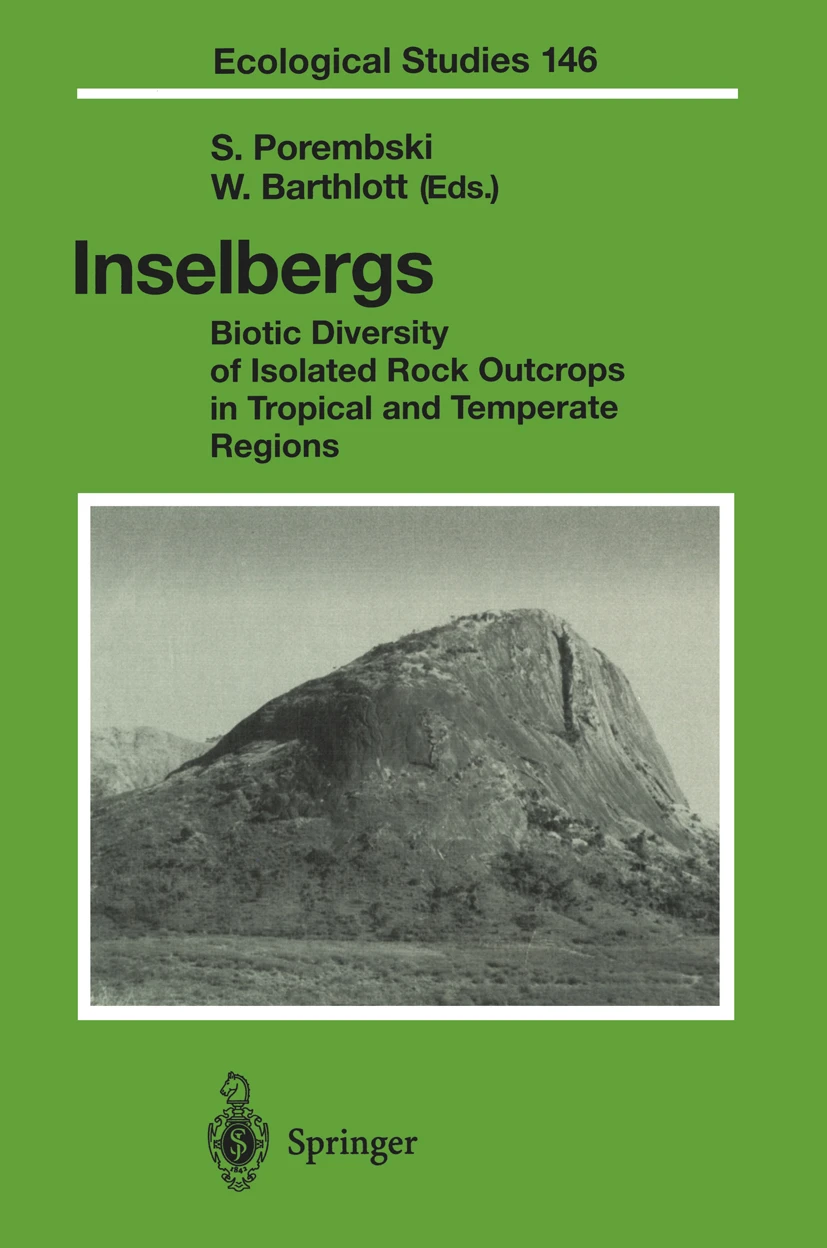
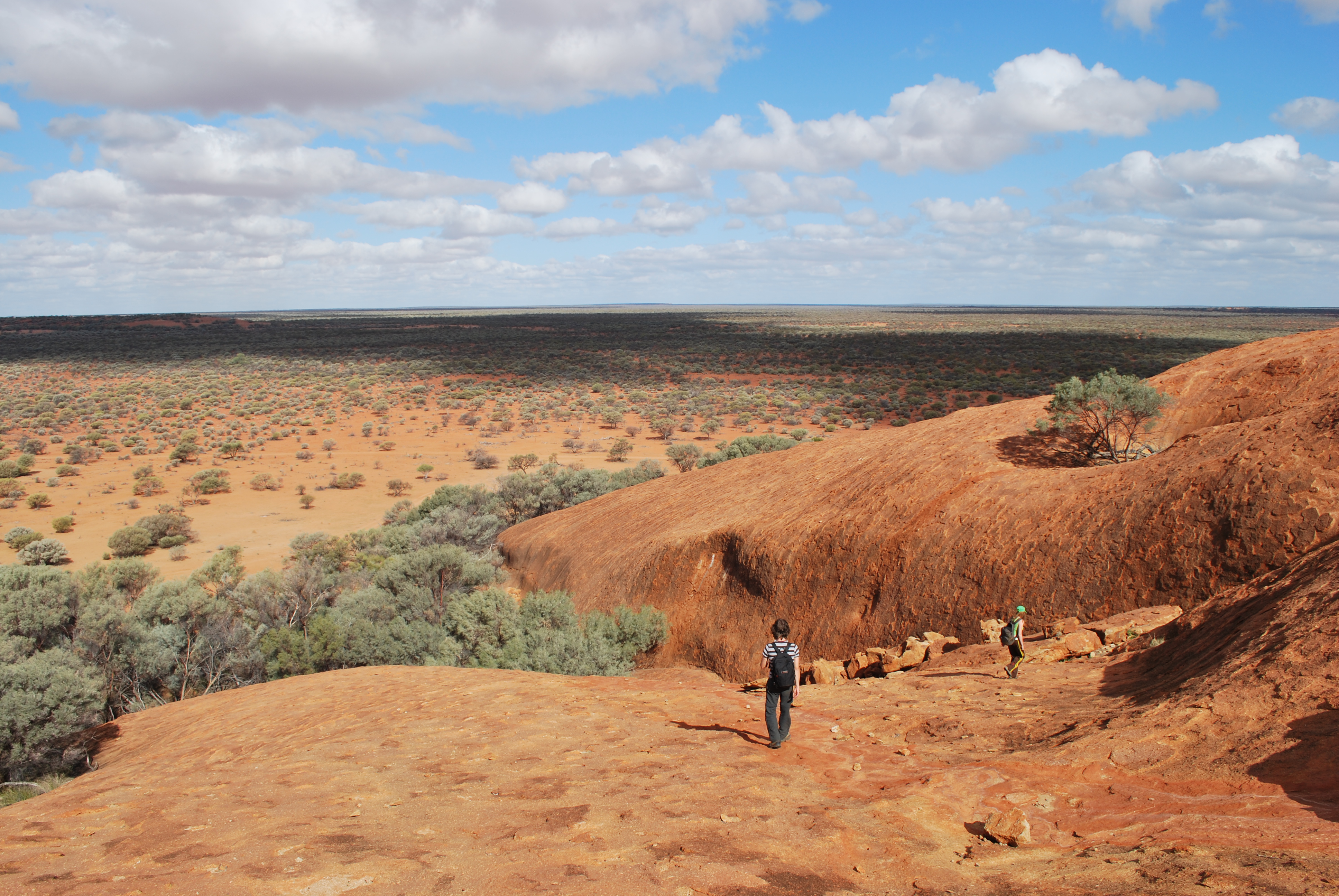
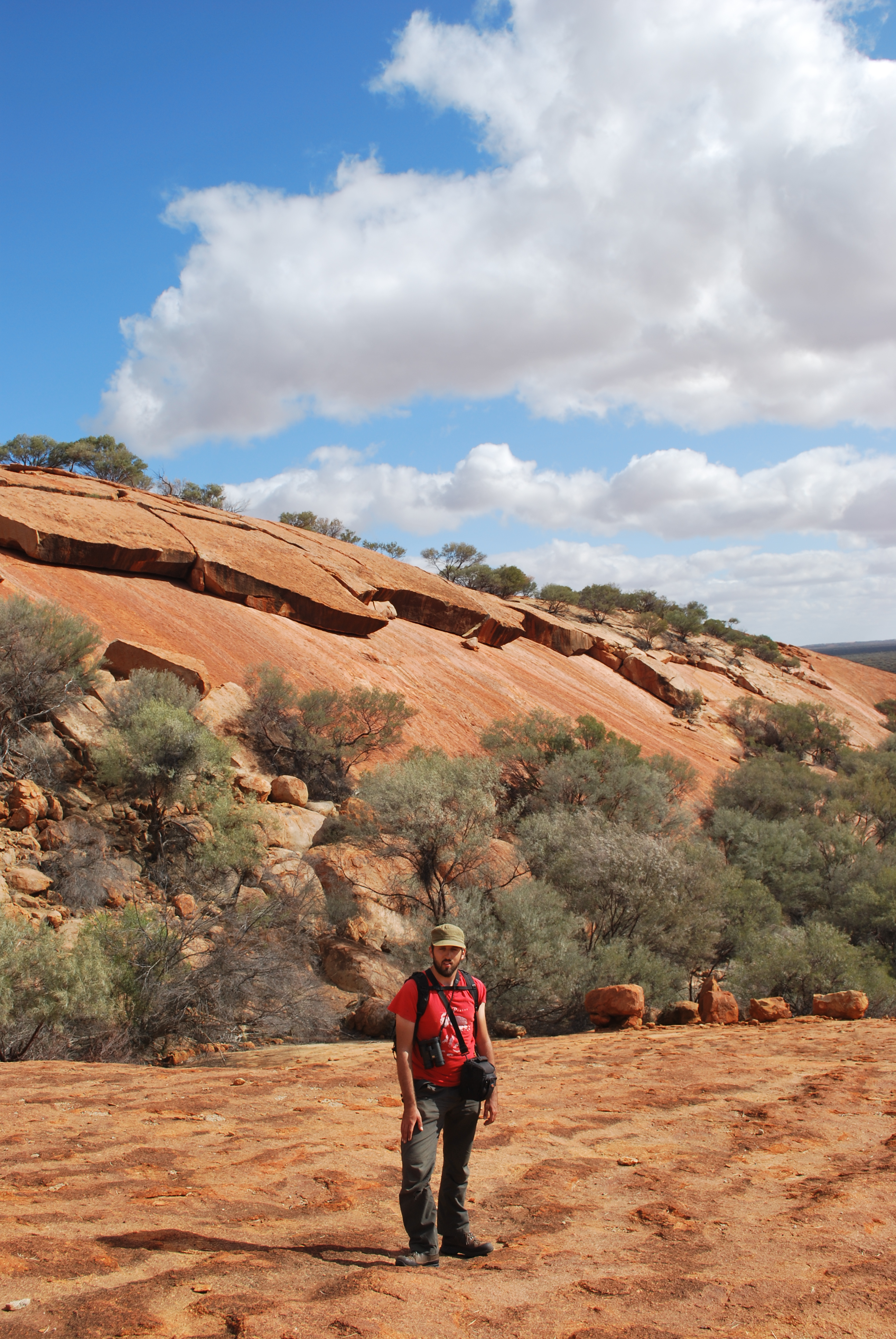
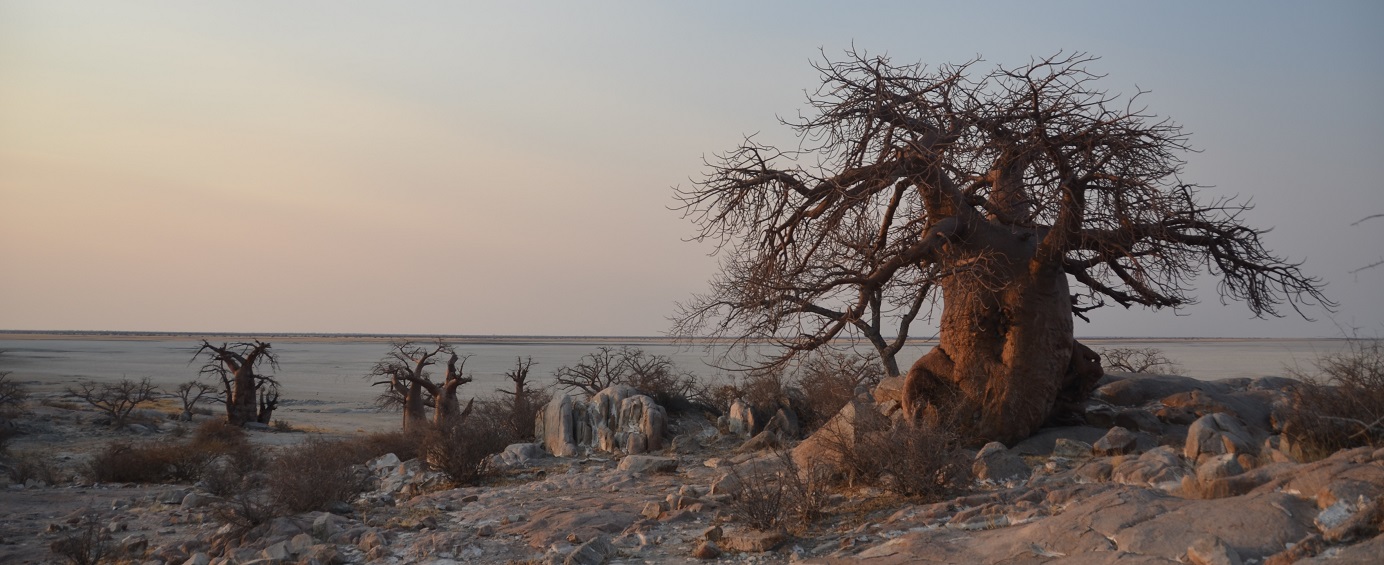
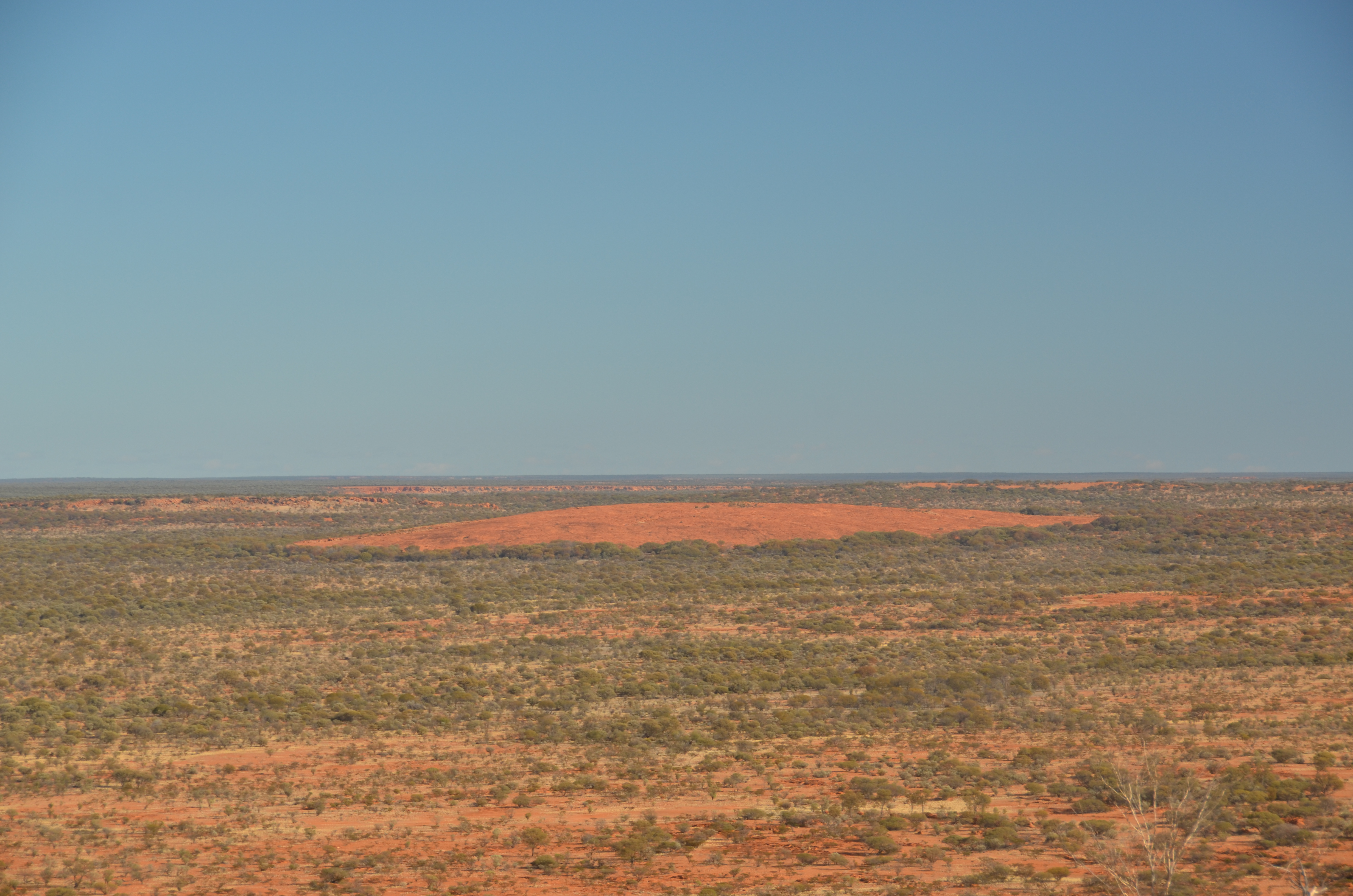
Wouldn’t it be great if we could bundle the insights that emerged in the quarter century after this book? Together with Fernando Silveira and Luiza De Paula, two (at the time) young up and coming inselberg researchers from Brazil we started drawing up some first diagrams and distilled general patterns and processes from the different plant and animal groups we studied and from the different regions we studied: from the Atlantic forest to the Kalahari and back. The paper would not have been possible without the geomorphological and biogeographical insights of Tom Van der Stocken and Falko Buschke who helped to streamline the ideas through various phases and input from a running PhD project by Joren Snoeks. We are proud that this journey now resulted in a synthesis paper published in Biological Reviews. The ecological and evolutionary dynamics of inselbergs. Some pictures of inselbergs featured in the paper are provided below.

https://onlinelibrary.wiley.com/doi/full/10.1111/brv.13150

In the paper, we provide a new liberal definition of inselbergs from a biological perspective, stressing the old age (easily tens of millions of years, often more), unique microhabitats, and isolation as the main defining characteristics. Typical inselbergs are much lower than proper mountains (< 800m) and therefore typically lack strong altitudinal zonation. They also provide a template of habitats that is not limited to the exposed rock. The surrounding vegetation fringe is an integral part of the broader inselberg ecosystem. We also stress the importance of the landscape matrix in which inselbergs are embedded, which can be a source of inselberg species. Inselbergs can house a lot of endemics adapted to the often harsh inselberg conditions. But they can also be ecological refuges and evolutionary refugia for species from the landscape matrix, particularly over long time scales of cyclical environmental change. Finally, we argue that although they resemble islands, only a small subset of the organisms that can be found on inselbergs will experience them as islands. Inselberg specialists with poor dispersal abilities will experience them as islands, while for more mobile species, inselbergs and for generalists, inselbergs may simply provide habitat patches in the broader landscape that can be used. The landscape matrix, therefore, is not simply a barrier to dispersal (as is the case for oceanic islands) but provides a pool of species and habitats that interact with species and habitats on the inselbergs. At the end, we provide a list of major knowledge gaps that may inspire the next decade of inselberg research and can help us to understand the role of these amazing features in our landscapes.

Rocky outcrops as ecological refuges – new paper in Biological Conservation

In joint work with the University of the Free State, we study how isolated mountains and rocky outcrops can help to preserve biodiversity. As study region we work  in the grassland biome of the Eastern Free State Province in South Africa.  In a first paper, now out in Biological Conservation, we present data on the butterflies present in this region.

We found that butterflies in the landscape matrix between the mountains were a nested subset of species from the mountains and outcrops, and there was little evidence that species with certain traits were limited to either habitat. This suggests that species can retreat to mountain refuges during harsh conditions and recolonise the surrounding matrix once conditions improve.

Ecological refuges such as these mountains and rocky outcrops  can unify land-sharing and land-sparing because their targeted protection would support the persistence of species throughout wider landscapes.
https://www.sciencedirect.com/science/article/abs/pii/S000632072030817X

Workshop: Uncoupling a meaningful life from the destruction of nature

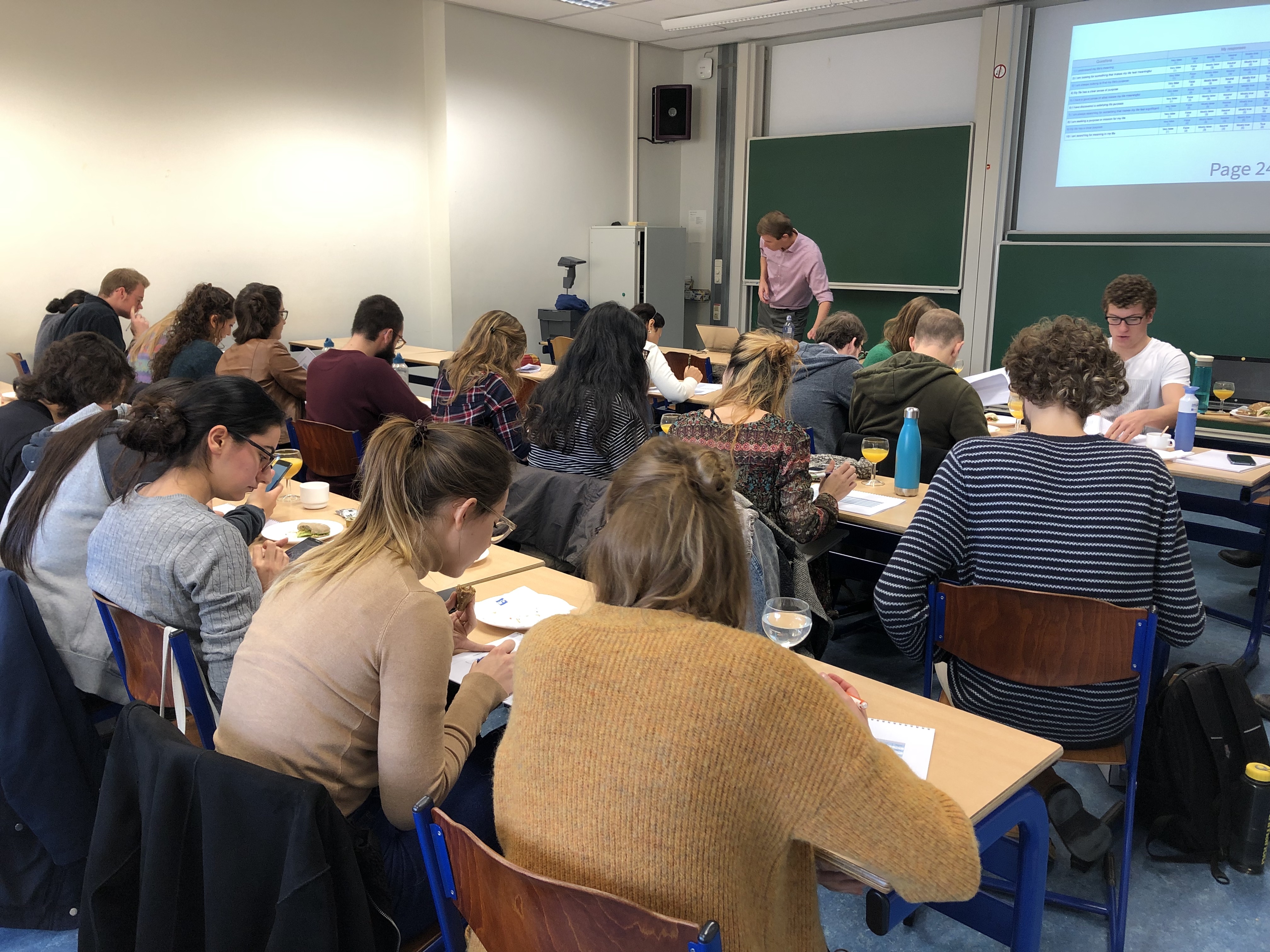
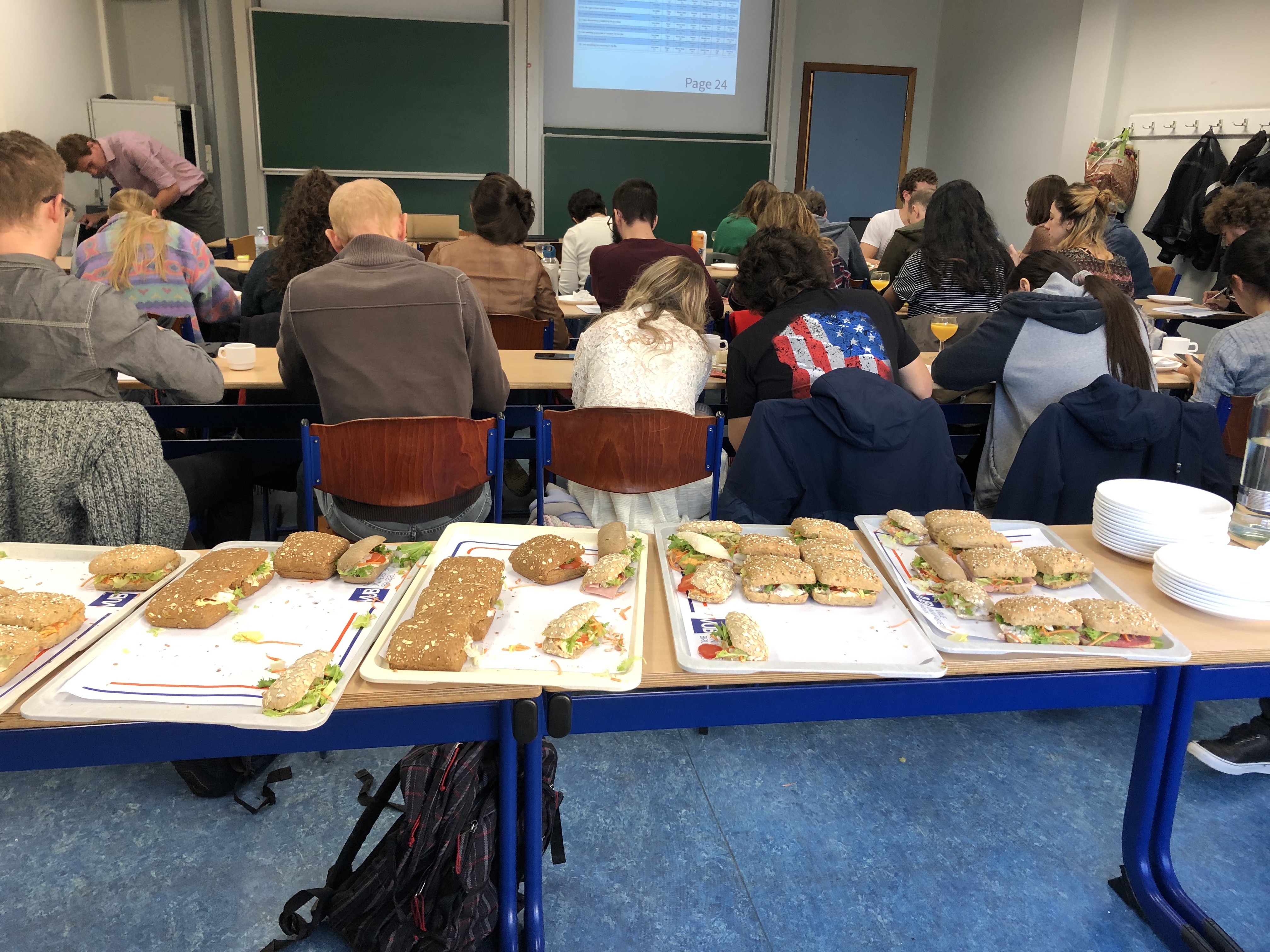
Workshop picture

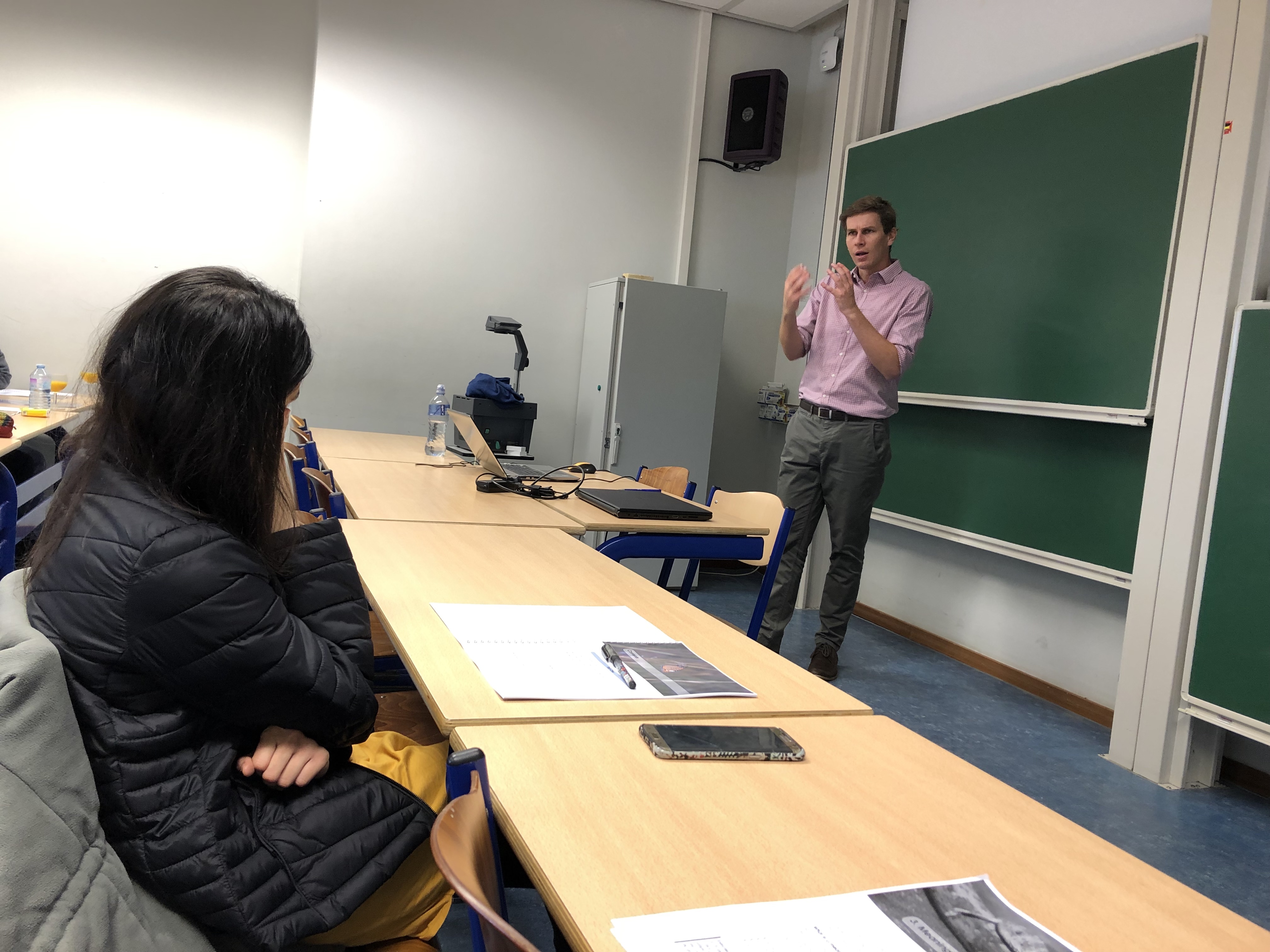
In a joint VUB Global Minds project between VUB and the University of the Free State, South Africa, we generated course material that can be used to organize workshops for university students (both in developing and in developed nations) to tackle the important question of whether it is possible to lead a meaningful life without destroying nature.  Participants fill out standardized scientific questionnaires that test:

1. Meaning in life (how meaningful do you find your life?)

2. Ecocentricity (how is your life connected to nature?)

3. Ecological footprint (to what extent does your life style impact nature?)

By correlating the scores of participants on these different tests our aim is to raise awareness to what extent these life traits are correlated. What is more, if applied to a large number of participants from different backgrounds and cultures it can also allow to generate more generic insights in how these concepts are connected globally. A first work shop took place at VUB on December 4th.

 The supporting electronic course material can be downloaded  here

and here

Below are some photos from the event 

Figuring out why species are threatened

In a new paper, Falko Buschke tried to test whether  vertebrates that differ in conservation status differ in to what extent their ranges can be predicted by spatial and environmental gradients. It turns out there are no strong differences. Instead, models to predict the ranges of the most threatened species perform much worse than models for least concern species. Also, response to broad environmental gradients could not distinguish endangered, threatened or least concern species.  This suggests that we may underestimate extinction risk of species if we would try to assess this based on reliance on specific environmental conditions.

The paper is out in Biodiversity & Conservation

Joining the Inselberg Research Initiative

Untitled22

I visited the University of Rostock to consult with some of the world’s leading experts on the ecology of isolated mountain habitats known as inselbergs. We’ll be joining forces for a number of future projects combining insights from plants and animals to better understand how these enigmatic landscape features survived through the ages and how their biota interact with the landscape matrix around them.

https://www.botanik.uni-rostock.de/forschung/inselberg-research-initiative/what-are-inselbergs/

NEW PAPER: Exploring the link between ecology and biogeography in African vertebrates

In a new paper out in the journal Ecography, Falko Buschke tried to explain the distribution patterns of all terrestrial vertebrates that occur in sub Sahara Africa using environmental variables and spatial dispersal related variables.

He found that when you map Africa based on how much variation is explained by dispersal based processes vs. environmental niche based filtering, you can see the contours of the biogeographic regions. This suggests that community structuring processes differ among regions within biogeographic realms.

He also showed that corrections for range size are necessary to extract ecologically meaningful patterns from variation partitioning results.

Finally, he found that unexplained variation was highest in species with small distributions… which is worrying from a conservation perspective as these are often threatened. While we can quite accurately predict distributions of widespread animals, we don’t know very well why certain rarer species are range restricted.

http://onlinelibrary.wiley.com/doi/10.1111/ecog.00860/abstract

DSC_9290mod

An African Black Rhino. One of the species in Falko’s database.

NEW PAPER: Handling cumulative impacts during the environmental decision-making process

In a side-project of his PhD Falko Buschke  published a new paper in Journal of Nature Conservation on how different decision making strategies affect the exploitation of natural habitat. He shows that taking into account cumulative costs (e.g. earlier developments of an area and associated costs in terms of habitat loss) in different ways (not at all/ higher cost for additional developments / equal-division of costs among early and late developers) will have profound effects on how much habitat will be destroyed in the end. But this is just a start…

http://www.sciencedirect.com/science/article/pii/S1617138114000181

Falko explains the story behind the paper and the consequences of his findings in detail on his blog: The Solitary Ecologist

Handling cumulative impacts during the environmental decision-making process

Expedition to the Australian outback 2013

DSC_0584

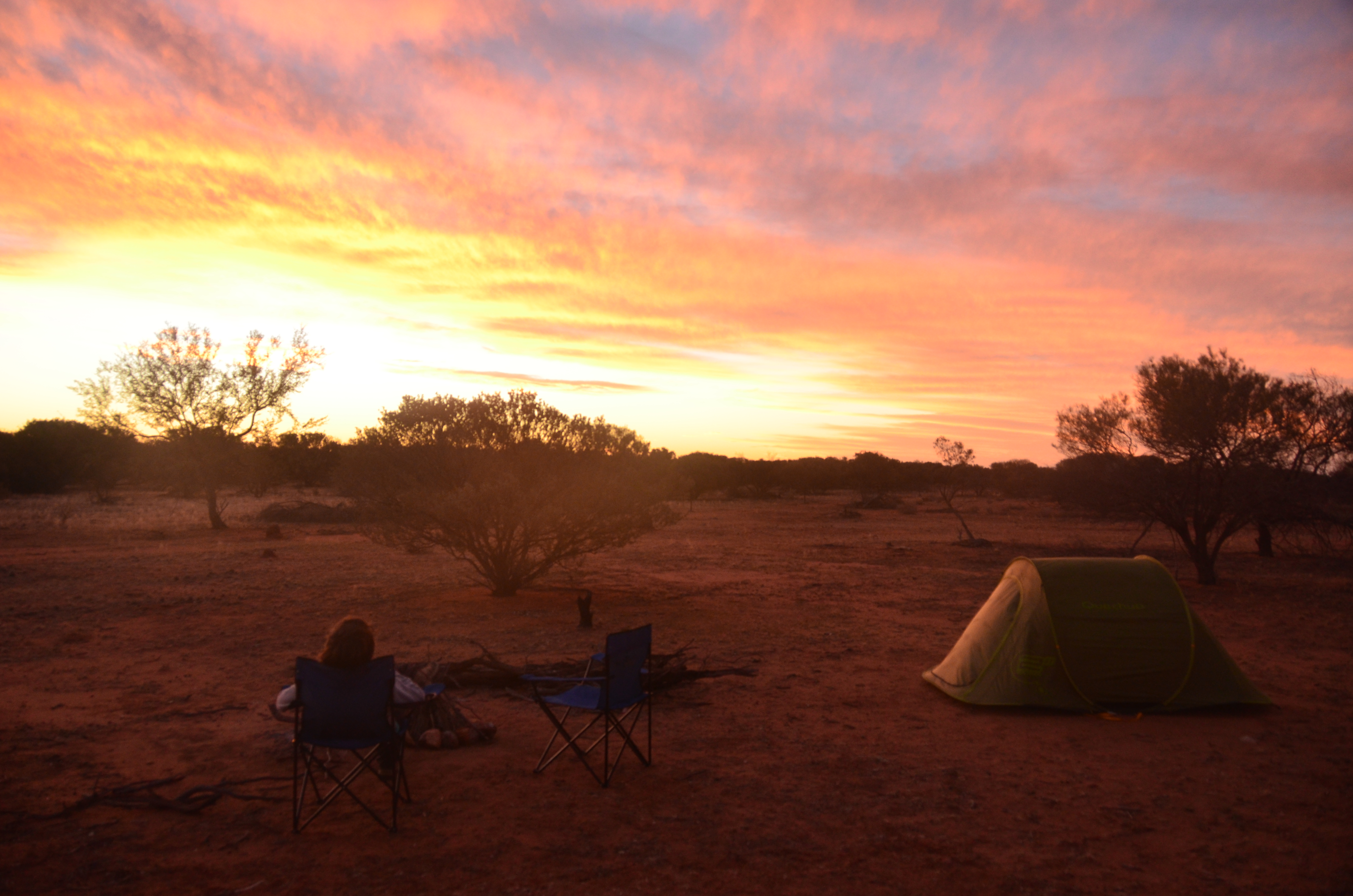
Sunset at our campsite at Walga Rock

DSC_0086

Where we are going we don’t need roads

During the 2013 expedition we sampled a total of 600 rock pools from 50 inselbergs in Western Australia. The dataset wil be used to get more insight in the drivers of diversity patterns across spatial scales.

DSC_0756

Sampling a rock pool community on Baladgie Rock overlooking a salt lake

DSC_0548

A typical example of a West Australian inselberg in the Cue area in Western Australia

DSC_0629