Rock outcrops may look like barren landscapes, but they are home to extraordinary biodiversity, including many rare and endemic species found nowhere else on Earth. In a new paper published in Conservation Biology, an international...Read more
In a new paper lead by Eliza Van de Sande and Sara Vroman we provide new evidence that the principal pollinators of cacao are biting midges of the order Ceratopogonidae. Work in Malaysia and French...Read more
Can newly created wetlands quickly become valuable feeding habitats for waterbirds? A new study published in Restoration Ecology by members of our lab provides encouraging evidence that they can!
The research, conducted by PhD students Vincent...Read more
Since the start of my PhD in 2006, I've spent several years of my life walking on inselbergs (i.e. ancient isolated mountains with modest topography) mainly in Africa and Australia, studying the organisms that live...Read more
We tend to assume that if there are more species in a given site that this typically leads to a better functioning ecosystem with for instance a higher production of biomass. In a new paper...Read more
Bram was part of a working group hosted by the German Integrative Biology Institute in Leipzig that had the ambition to better understand how communities interact in space by including a much needed temporal dimension....Read more
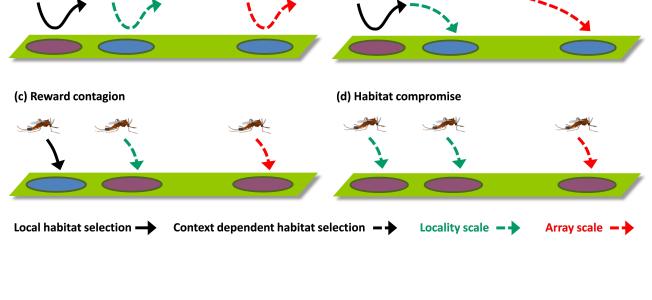
Tough decision making is not restricted to human societies. While male mosquitoes happily feed on the nectar in our gardens, female mosquitoes invade our bedrooms at night attracted by the proteins in our blood. They...Read more
More and more people are getting PhD degrees while, at the same time, the number of permanent academic positions seems to remain relatively constant at best, if not decreasing. A consequence of this is that...Read more
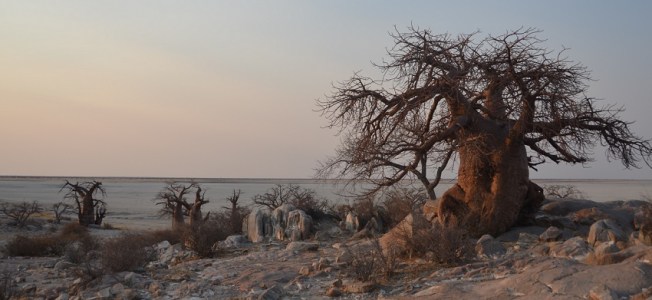
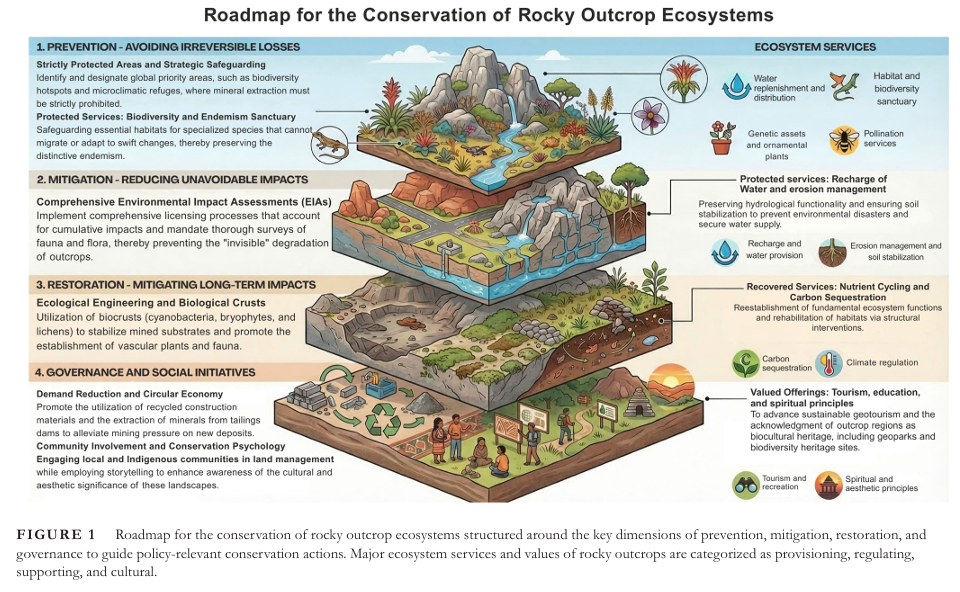
Rock outcrops may look like barren landscapes, but they are home to extraordinary biodiversity, including many rare and endemic species found nowhere else on Earth. In a new paper published in Conservation Biology, an international team of researchers warns that these unique ecosystems are increasingly threatened by mining, climate change and habitat destruction, while remaining largely overlooked in global conservation policies.
Our lab contributed to this international collaboration, bringing our expertise on the biodiversity and ecology of isolated rock outcrops in Africa and Austrlia, including inselbergs and their unique aquatic habitats. Together with colleagues from around the world, we highlight the urgent need to recognise these ancient landscapes as conservation priorities. The paper proposes a roadmap for protecting rock outcrop ecosystems before their biodiversity is lost.
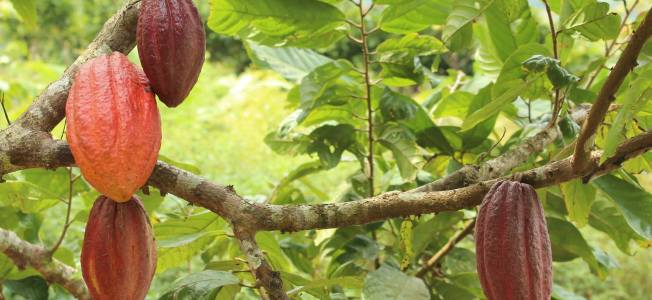
In a new paper lead by Eliza Van de Sande and Sara Vroman we provide new evidence that the principal pollinators of cacao are biting midges of the order Ceratopogonidae. Work in Malaysia and French Guyana illustrates that particularly members of the genus Forcipomyia exhibit pollinating behavior and are regularly caught coverd in pollen. The study re-affirms insights from the 70’s and 80’s that over the years have been eroded as more and more studies have documented other insects visiting cocoa flowers… fueling the believe that the crop has a wider range of pollinators. Upon close inspection most of these visitors in all likelihood do not seem to pollinate and likely play a negligible role. In the paper we try to generate new testable hypotheses and a decision tree that may help to distinguish likely from unlikely pollinators. The question is far from resolved and more detailed observations are needed to distinguish the casual flower visitor from the useful visitor!
Can newly created wetlands quickly become valuable feeding habitats for waterbirds? A new study published in Restoration Ecology by members of our lab provides encouraging evidence that they can!
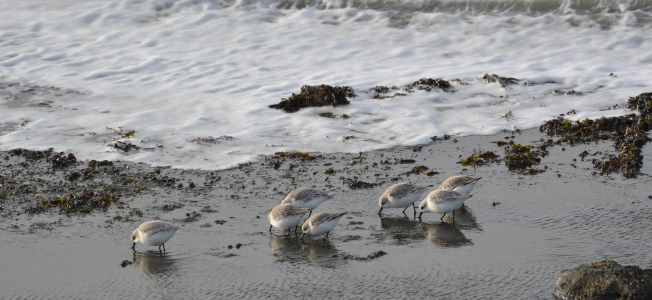
The research, conducted by PhD students Vincent Dolmans and Lisa Partoens, together with former MSc student Lara Van Goethem, shows that newly created wetlands can rapidly develop abundant populations of aquatic invertebrates that serve as essential prey for waterbirds. Remarkably, these prey populations can establish within just two years, and younger wetlands can even attract more waterbirds than older ones.
These findings provide an important message for nature conservation: wetland restoration for birds works! Creating new wetlands can rapidly generate the food resources needed by threatened waterbirds such as lapwings, ruffs and snipes. The study also highlights the value of maintaining wetlands at different stages of development to support diverse ecological communities.
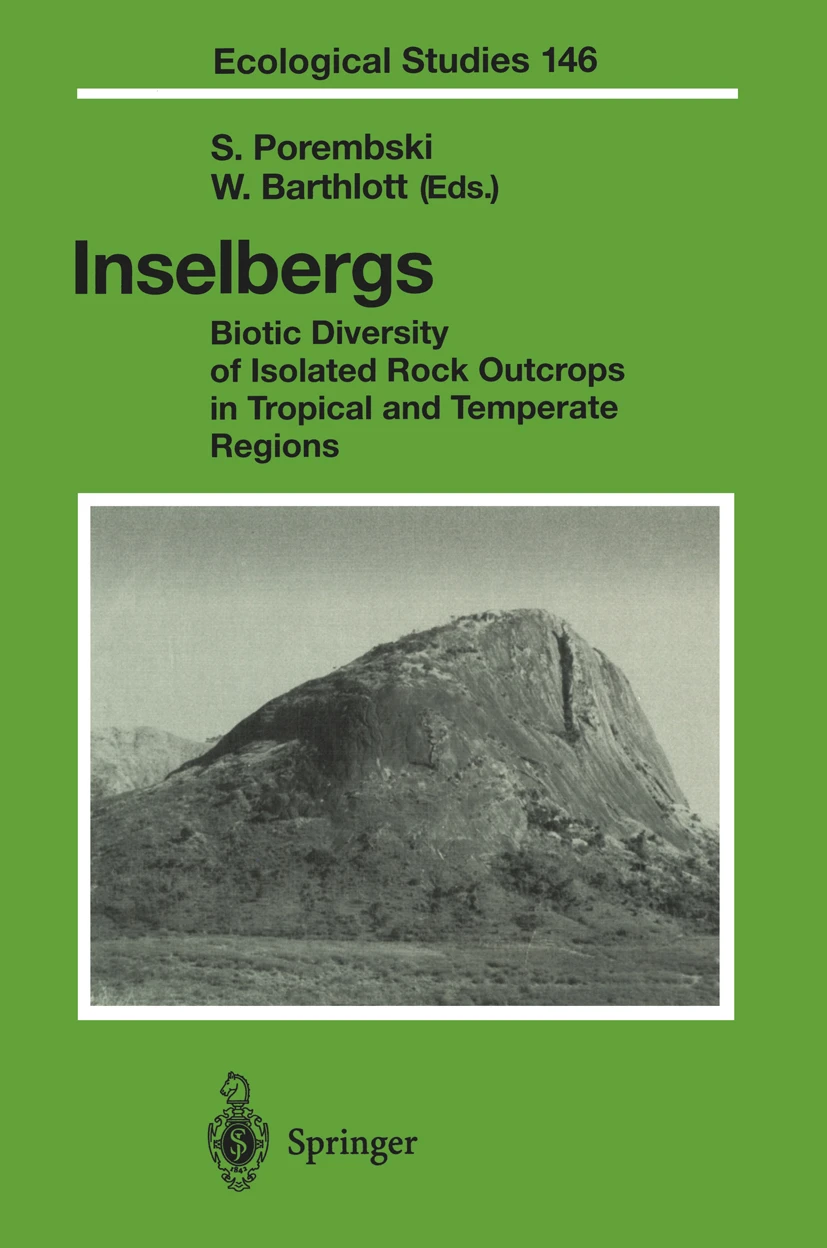
Since the start of my PhD in 2006, I’ve spent several years of my life walking on inselbergs (i.e. ancient isolated mountains with modest topography) mainly in Africa and Australia, studying the organisms that live there. It was an inspiring and productive endeavor, leading to a lot of published case studies. Yet, some broader insights take time to develop. I believe it’s only when you spend enough time working on a system and after endless discussions with local experts that deeper understanding emerges. In 2017, a meeting was arranged at the University of Rostock, home of Stefan Porembski, arguably the most influential inselberg researcher alive today. As a PhD student I eagerly read and re-read his landmark green book on Inselbergs.
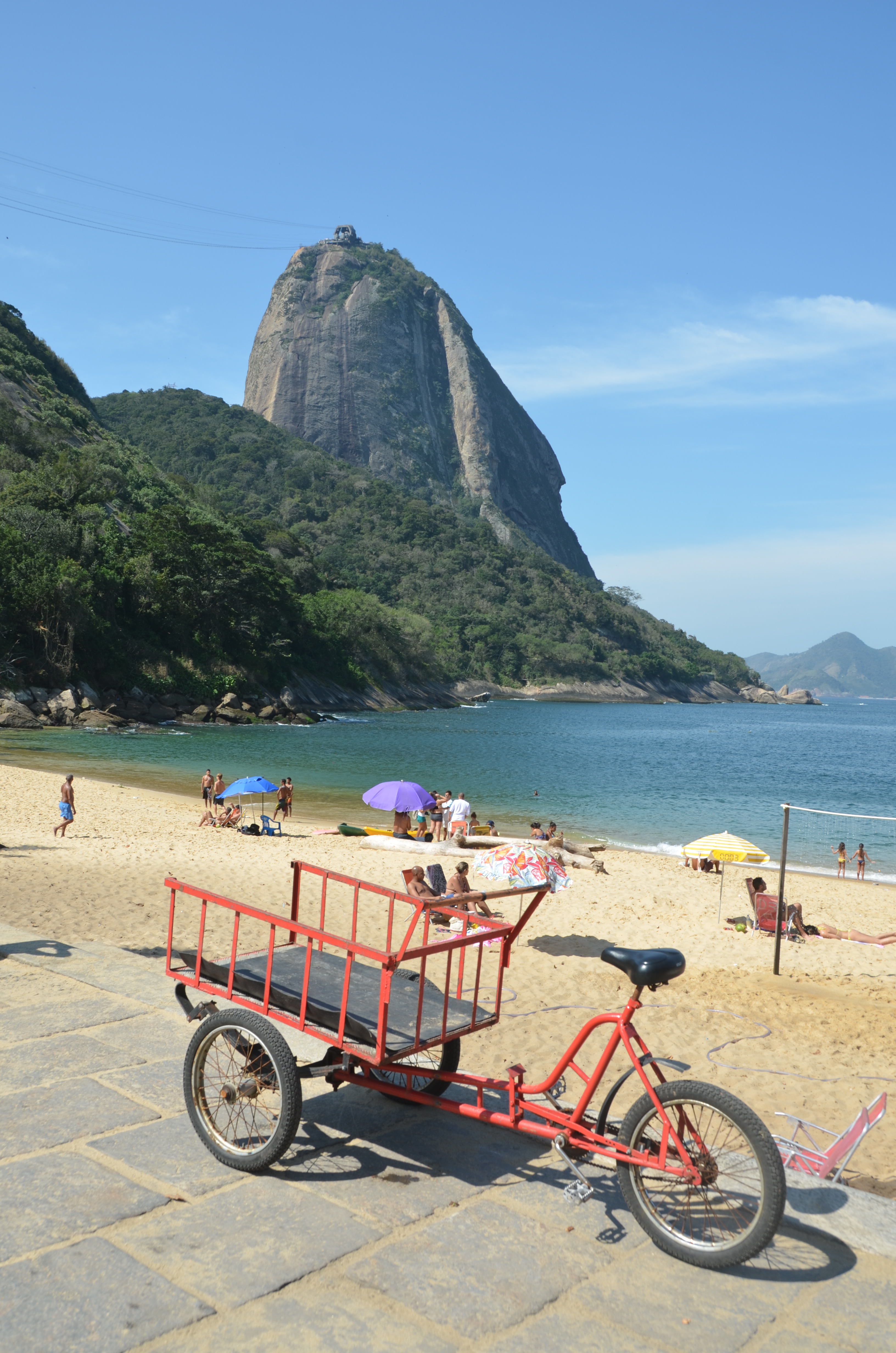
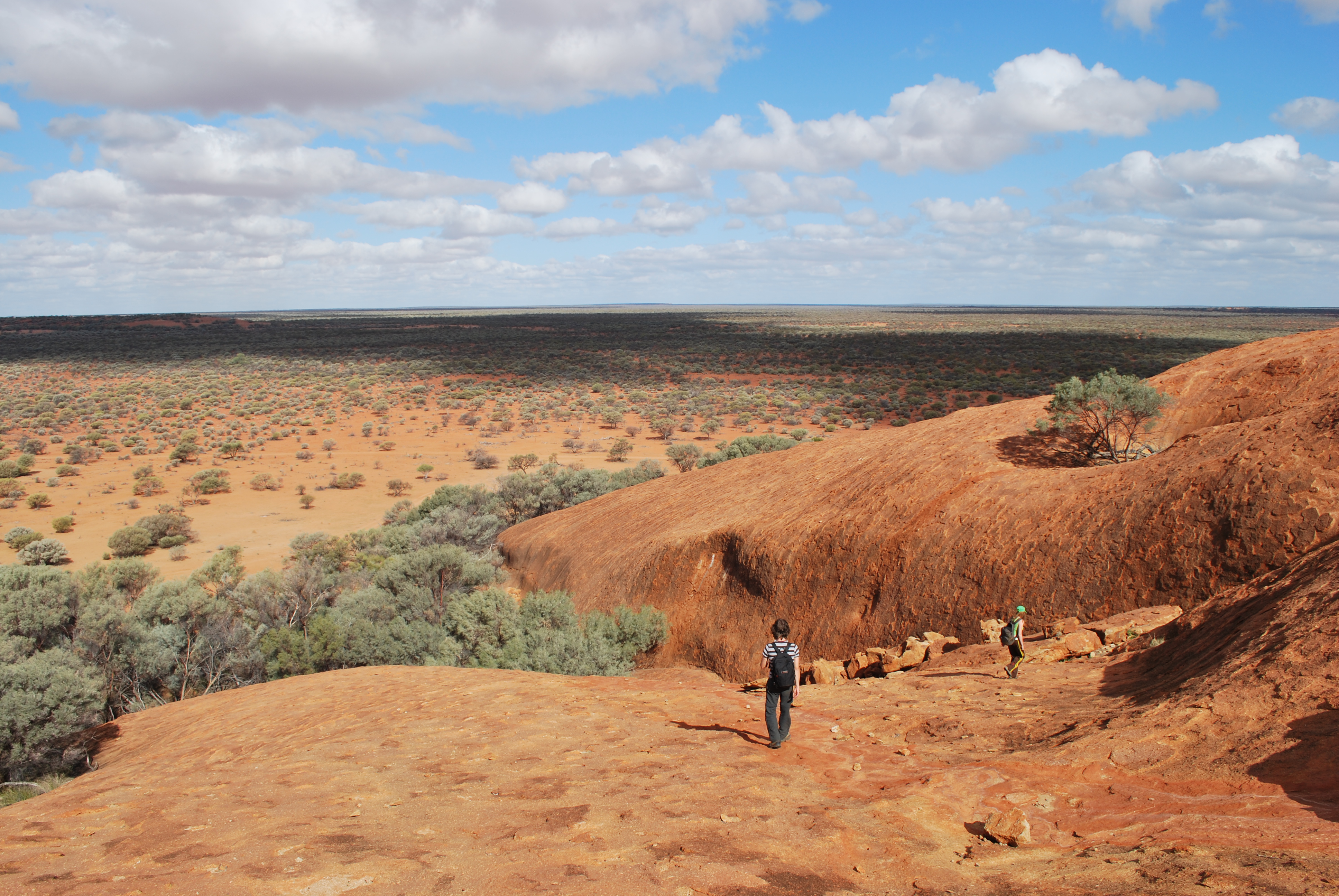
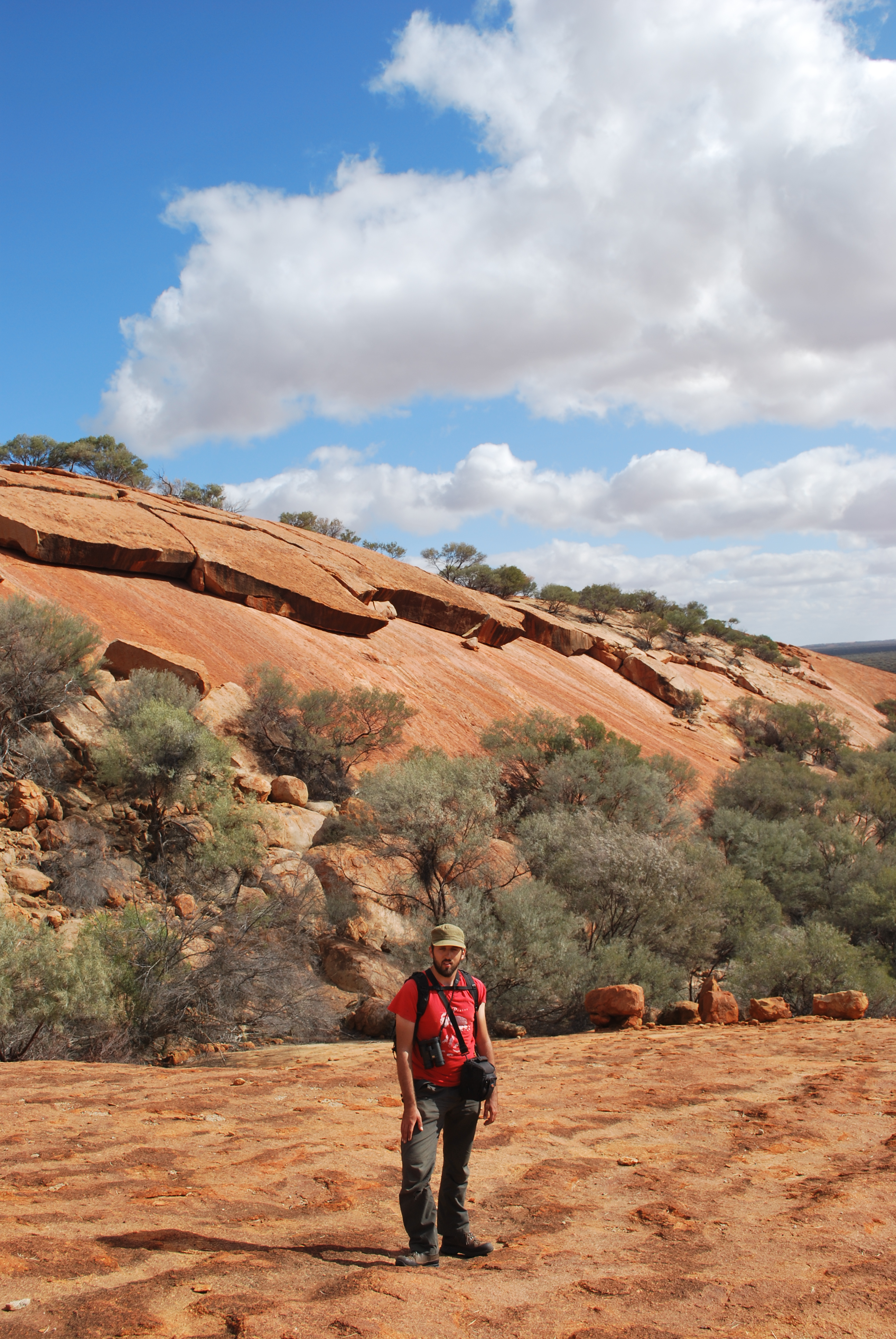
Wouldn’t it be great if we could bundle the insights that emerged in the quarter century after this book? Together with Fernando Silveira and Luiza De Paula, two (at the time) young up and coming inselberg researchers from Brazil we started drawing up some first diagrams and distilled general patterns and processes from the different plant and animal groups we studied and from the different regions we studied: from the Atlantic forest to the Kalahari and back. The paper would not have been possible without the geomorphological and biogeographical insights of Tom Van der Stocken and Falko Buschke who helped to streamline the ideas through various phases and input from a running PhD project by Joren Snoeks. We are proud that this journey now resulted in a synthesis paper published in Biological Reviews. The ecological and evolutionary dynamics of inselbergs. Some pictures of inselbergs featured in the paper are provided below.
In the paper, we provide a new liberal definition of inselbergs from a biological perspective, stressing the old age (easily tens of millions of years, often more), unique microhabitats, and isolation as the main defining characteristics. Typical inselbergs are much lower than proper mountains (< 800m) and therefore typically lack strong altitudinal zonation. They also provide a template of habitats that is not limited to the exposed rock. The surrounding vegetation fringe is an integral part of the broader inselberg ecosystem. We also stress the importance of the landscape matrix in which inselbergs are embedded, which can be a source of inselberg species. Inselbergs can house a lot of endemics adapted to the often harsh inselberg conditions. But they can also be ecological refuges and evolutionary refugia for species from the landscape matrix, particularly over long time scales of cyclical environmental change. Finally, we argue that although they resemble islands, only a small subset of the organisms that can be found on inselbergs will experience them as islands. Inselberg specialists with poor dispersal abilities will experience them as islands, while for more mobile species, inselbergs and for generalists, inselbergs may simply provide habitat patches in the broader landscape that can be used. The landscape matrix, therefore, is not simply a barrier to dispersal (as is the case for oceanic islands) but provides a pool of species and habitats that interact with species and habitats on the inselbergs. At the end, we provide a list of major knowledge gaps that may inspire the next decade of inselberg research and can help us to understand the role of these amazing features in our landscapes.
Comoé NP, Cote d’IvoireKari Kari Rock, ColombiaSugarloaf Mnt, Rio de JaneiroKubu island, BotswanaWalga Rock, AustraliaWalga Rock, Australia
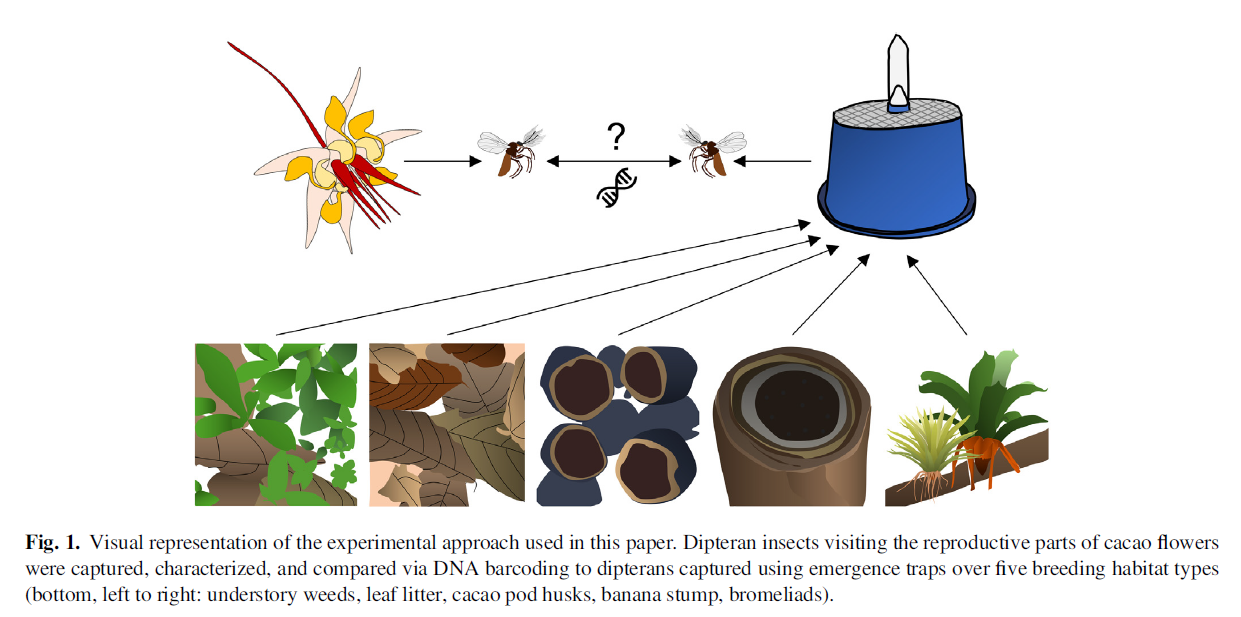
Since I started the lab at VUB, we have done a number of projects in the tropics looking at small aquatic habitats such as bromeliads and the ecological dynamics of the biota they contain. It did not escape my attention that these habitats were also used by the same types of midges known to be involved in the pollination of cacao. However, to my surprise at the time, the identity of cocoa pollinators was quite controversial. Work from the 80s and 70s identified midges from the genus Forcipomyia as the main pollinators. However, more recent studies reviewed by Toledo-Hernandez and coworkers (2017) reported a much larger diversity of cocoa flower visitors. To resolve this paradox, we believed it was necessary to introduce stricter criteria to define pollinators. It led to the conception of the Barcoding for Chocolate (BFC) project in our lab, pioneered by PhD student Mathil Vandromme. In her doctorate, she carefully caught flower visitors on cocoa flowers in Nicaragua and noted the behavior of the individuals. This way, we could distinguish taxa that just hung around or rested on the flowers from those that entered the petal hoods and came into contact with pollen. These individuals were sequenced for the COI barcoding gene so we could confirm what they were. But Mathil went another step further: she also sequenced small flies that emerged from different potential larval habitats (rotting cacao husks, banana pseudostems, leaf litter, bromeliads). This way, we can pinpoint where the pollinators breed! The first results of this project are now published in a paper in Basic and Applied Ecology.
In the meantime, a lot has happened. With Eliza Van de Sande, a new PhD project was started, and a number of dedicated students (Fanny Kratz, Sara Vroman) brought back new pollinator samples from Peru, French Guiana, Malaysia, and Côte d’Ivoire. All flower visitors are now also investigated for pollen adherence, too, so we are getting closer to a definitive list of pollinators. Soon we will get a better idea of the diversity of cocoa pollinators globally. For now, the pilot results from Nicaragua clearly point at biting midges and several potential breeding habitats for cocoa pollinators, but the links found in the paper have to be confirmed at much larger scales in more plantations and in different cocoa breeding areas in the world to generate conclusive evidence of which breeding habitats might be promoted through management to improve pollination.
We tend to assume that if there are more species in a given site that this typically leads to a better functioning ecosystem with for instance a higher production of biomass. In a new paper in Ecology Letters, we show that this is invalid. It’s not how many species that are present that matters, it’s how many species that had an opportunity to be present (the regional species pool) that determines functioning.
The paper is lead by James Hagan, an ex MSc student from our department at VUB and Tropimundo alumnus.
Hagan, J., Vanschoenwinkel, B. & Gamfeldt, L. (2021) We should not necessarily expect positive relationships between biodiversity and ecosystem functioning in observational field data. Ecology Letters.
Always nice to deal with unfinished business. After more than 15 years, the data of my only unpublished PhD chapter are now finally published. In the end it took us a physical model, a demographic model, two field experiments and three lab experiments to show that fairy shrimp can avoid extinctions by ensuring that their dormant eggs can hatch at various moments in the future and that this is an evolutionary risk spreading strategy.
Pinceel, T., Buschke, F., Geerts, A., Vanoverbeke, J., Brendonck, L., & Vanschoenwinkel, B. (2021). An empirical confirmation of diversified bet hedging as a survival strategy in unpredictably varying environments. Ecology. (SCI: 5.499), Q1
Bram was part of a working group hosted by the German Integrative Biology Institute in Leipzig that had the ambition to better understand how communities interact in space by including a much needed temporal dimension. In a first paper lead by Patrick Thompson, we present a novel framework to understand (and study) how ecological communities can interact in space and how this leads to different temporal dynamics in community data. Instead of trying to infer process from community patterns, this framework explicitly varies three underlying processes (density dependent competition, density independent environmental filtering and dispersal) and shows that by doing this a whole range of possible metacommunity dynamics can be obtained including all currently known and described dynamics as well as a range of dynamics that have remained unconsidered and unstudied.
We believe it can be an important first step to achieve a much needed synthesis in the field of metacommunity ecology.
The study was published as an “Idea and perspectives” piece in the journal Ecology Letters
In joint work with the University of the Free State, we study how isolated mountains and rocky outcrops can help to preserve biodiversity. As study region we work in the grassland biome of the Eastern Free State Province in South Africa. In a first paper, now out in Biological Conservation, we present data on the butterflies present in this region.
We found that butterflies in the landscape matrix between the mountains were a nested subset of species from the mountains and outcrops, and there was little evidence that species with certain traits were limited to either habitat. This suggests that species can retreat to mountain refuges during harsh conditions and recolonise the surrounding matrix once conditions improve.
Ecological refuges such as these mountains and rocky outcrops can unify land-sharing and land-sparing because their targeted protection would support the persistence of species throughout wider landscapes.
The lab is active in Tanzania in an inter university collaboration with the Nelson Mandela Institute for Science and Technology in Arusha. In one of the first papers of this project, Grite Nelson shows that studies of river quality and integrity should cautiously infer the influence of surrounding land use activities. Water quality and biota responded to land use at differentn scales. What is more, the spatial buffers used to calculate land use had a strong impact on the detected land use effects. The work stresses the need to standardize approaches to investigate effects of land use on different aspects of river quality.
The paper is out in the journal Science of the Total Environment